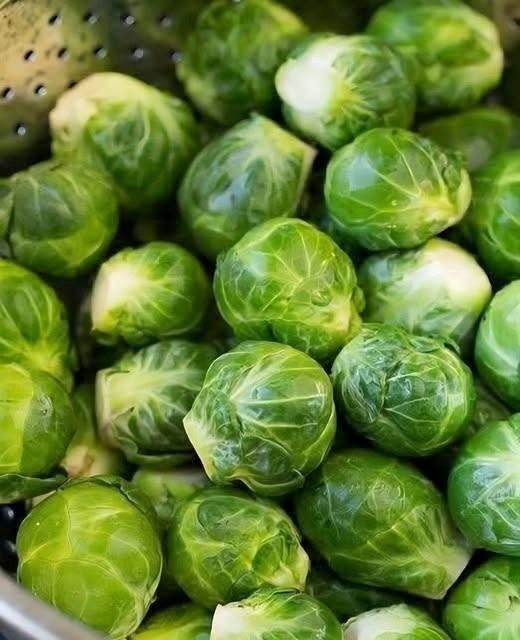
Believe it or not, Brussels sprouts have undergone a massive culinary comeback over the last decade or two!
If your only memory of them is the sulfurous, mushy, boiled green buttons from childhood dinners, it’s totally understandable why you’d ask. But people don’t just eat them anymore—they actively crave them.
Here is why they went from being universally hated to a trendy menu staple:
1. The Cooking Method Changed Everything
The old way of cooking them was boiling or steaming them to death, which releases bitter sulfur compounds and creates a soggy texture. Today, everyone roasts, air-fries, or chars them at high heat.
-
High-heat roasting caramelizes the natural sugars in the leaves, giving them nutty, crispy, charred outer leaves while keeping the inside tender.
2. People Discovered Acid, Sweet, and Fat
Chefs and home cooks learned that Brussels sprouts taste incredible when paired with bold, contrasting flavors. You rarely see them plain anymore; instead, they are tossed in:
-
Balsamic glaze or honey (for sweetness)
-
Bacon lardons or pancetta (for smoky, savory fat)
-
Parmesan cheese or toasted nuts (for texture and umami)
-
Lemon juice or hot honey (for a kick of acid or heat)
3. Genetics Got an Upgrade
Fun fact: In the 1990s, a Dutch scientist named Hans van Doorn identified the chemical compounds that made older varieties of Brussels sprouts intensely bitter. Dutch seed breeders spent years breeding those bitter compounds out, resulting in the much sweeter, milder sprouts we buy today.
So, yes—people definitely eat them now, usually sliced in half, tossed in olive oil, salt, and pepper, and roasted until the edges are crispy black chips.
Have you had a bad childhood experience with them, or are you wondering if they’re actually worth giving a second chance?