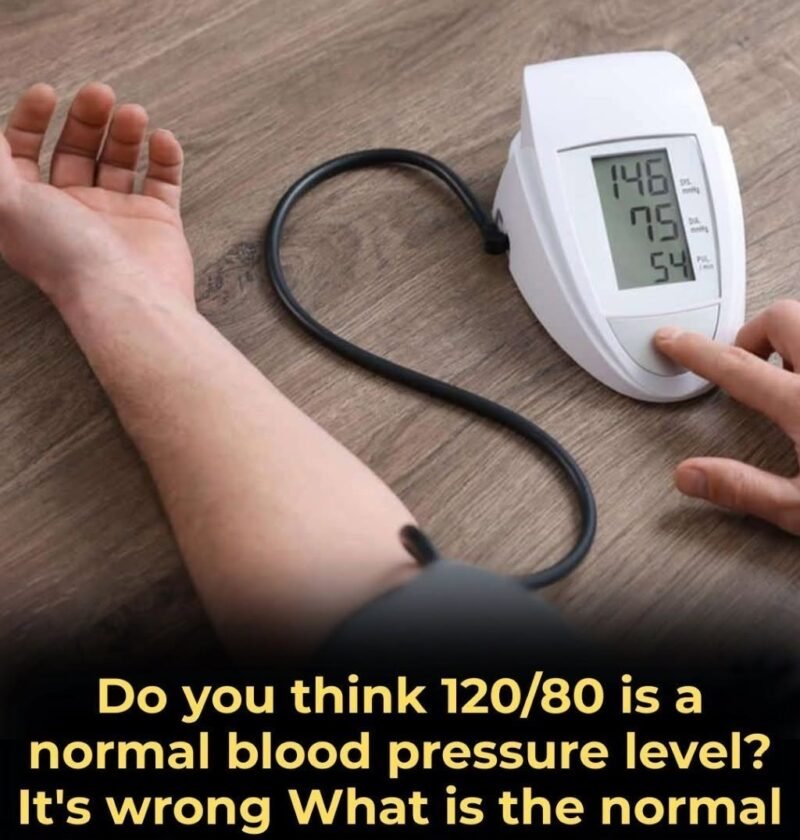
There isn’t a separate “normal” blood-pressure number for every age. For most adults, the same general blood-pressure categories are used regardless of whether someone is 40, 60, or 80.
Adult blood pressure guide
| Category | Top number (systolic) | Bottom number (diastolic) |
|---|---|---|
| Normal | <120 | <80 |
| Elevated | 120–129 | <80 |
| High BP — Stage 1 | 130–139 | 80–89 |
| High BP — Stage 2 | ≥140 | ≥90 |
| Severely high | ≥180 | and/or ≥120 |
These categories are based on properly measured blood pressure, and a single reading usually isn’t enough to diagnose hypertension.
What about children?
Children are different: their normal BP depends on age, sex, and height, so adult thresholds shouldn’t be applied to them.
For older adults
An older person’s blood pressure shouldn’t automatically be considered “normal” simply because they’re older. Treatment targets can be individualized based on overall health, medications, frailty, and other medical conditions.
If you give me the age and actual reading (for example, “72 years old — 152/88”), I can explain what that reading means.