-
What Is Normal Blood Pressure at Each Age?Blood pressure does not have a completely different “normal” number for every adult age. For adults, the same general categories are used regardless of whether someone is 30, 50, 70, or 85. The 2025 American Heart Association guideline defines normal adult blood pressure as below 120/80 mmHg.
Adults
Age Normal blood pressure 18–39 Below 120/80 mmHg 40–59 Below 120/80 mmHg 60–69 Below 120/80 mmHg 70–79 Below 120/80 mmHg 80+ Below 120/80 mmHg Understanding the numbers
- Normal: Less than 120/80
- Elevated: 120–129 systolic and less than 80 diastolic
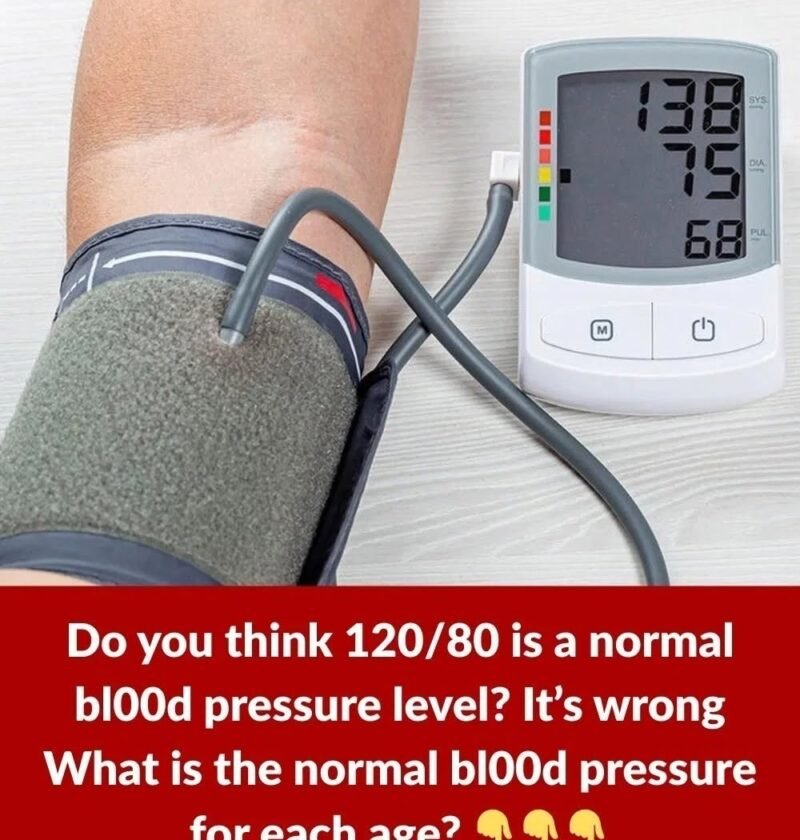
- Stage 1 hypertension: 130–139 systolic or 80–89 diastolic
- Stage 2 hypertension: 140 or higher systolic or 90 or higher diastolic
A single high reading doesn’t necessarily mean you have hypertension. Blood pressure can temporarily rise because of stress, exercise, caffeine, pain, or an incorrect measurement technique. Diagnosis is generally based on repeated measurements.
What about children?
Children are different. For those under 13, blood pressure is interpreted according to age, sex, and height, rather than using the adult 120/80 threshold.
When is blood pressure dangerously high?
A reading above 180/120 mmHg is dangerously high. If it is accompanied by symptoms such as chest pain, difficulty breathing, weakness or numbness, vision changes, severe headache, or difficulty speaking, emergency medical attention is needed.
Important: Don’t assume that a higher blood pressure is “normal because of age.” Older adults still benefit from appropriate blood-pressure control, but the ideal treatment target can depend on overall health and individual circumstances.