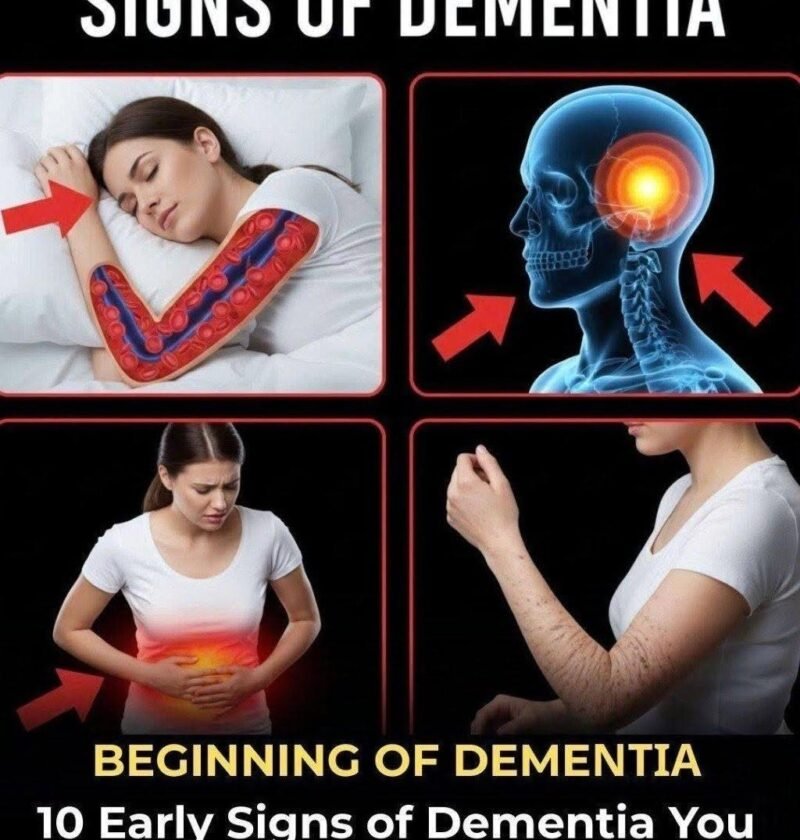
Recognizing the early warning signs of dementia—such as Alzheimer’s disease—is vital, as early detection allows for timely medical intervention, planning, and access to support. While occasional forgetfulness is a normal part of aging, true warning signs involve a distinct shift in cognitive function that impacts daily independence.
—
### The 10 Early Warning Signs to Never Ignore
1. **Memory Loss That Disrupts Daily Life**
* *The Sign:* Forgetting recently learned information, important dates, or events, and increasingly relying on notes, electronic devices, or family members for things previously handled independently.
* *Normal aging:* Occasionally forgetting names or appointments, but remembering them later.
2. **Challenges in Planning or Solving Problems**
* *The Sign:* Trouble developing and following a plan, working with numbers, following a familiar recipe, or keeping track of monthly bills, leading to a much longer time to complete tasks.
* *Normal aging:* Making occasional errors when balancing a checkbook.
3. **Difficulty Completing Familiar Tasks**
* *The Sign:* Struggling to drive to a well-known location, manage a workplace budget, or remember the rules of a favorite game.
* *Normal aging:* Occasionally needing help to use a microwave setting or record a TV show.
4. **Confusion with Time or Place**
* *The Sign:* Losing track of dates, seasons, and the passage of time, or forgetting where they are and how they got there.
* *Normal aging:* Briefly getting confused about the day of the week, but figuring it out shortly after.
5. **Trouble Understanding Visual Images and Spatial Relationships**
* *The Sign:* Vision problems related to reading, judging distances, and determining color or contrast, which can create severe hazards while driving or walking.
* *Normal aging:* Vision changes strictly related to age-related issues like cataracts.
6. **New Problems with Words in Speaking or Writing**
* *The Sign:* Stopping mid-conversation with no idea how to continue, repeating oneself, or struggling with vocabulary (e.g., calling a watch a “hand-clock”).
* *Normal aging:* Occasionally struggling to find the exact right word.
7. **Misplacing Things and Losing the Ability to Retrace Steps**
* *The Sign:* Putting items in unusual places (e.g., keys in the refrigerator), losing things entirely, and being unable to retrace steps to find them—sometimes leading to accusations of theft.
* *Normal aging:* Misplacing things from time to time (like glasses or keys) and successfully retracing steps to find them.
8. **Decreased or Poor Judgment**
* *The Sign:* Experiencing drastic changes in decision-making, such as falling victim to financial scams, giving away large amounts of money, or letting personal hygiene slide.
* *Normal aging:* Making a bad decision or temporary mistake every once in a while.
9. **Withdrawal from Work or Social Activities**
* *The Sign:* Removing oneself from hobbies, social gatherings, work projects, or sports due to difficulties keeping up with conversations or routines.
* *Normal aging:* Feeling occasionally weary of social obligations, work, or family duties.
10. **Changes in Mood and Personality**
* *The Sign:* Becoming easily upset, confused, suspicious, depressed, fearful, or anxious, especially when pushed out of a familiar comfort zone.
* *Normal aging:* Developing specific ways of doing things and becoming momentarily irritated when a rigid routine is disrupted.
—
> **Note:** Many of these symptoms can also overlap with other treatable conditions, such as the vitamin B12 deficiencies or thyroid imbalances mentioned previously. If you notice consistent patterns of these signs in yourself or a loved one, schedule an appointment with a physician for a thorough cognitive evaluation.
—
Are you or a loved one currently navigating any of these changes, and would you like guidance on how to approach a doctor about it?