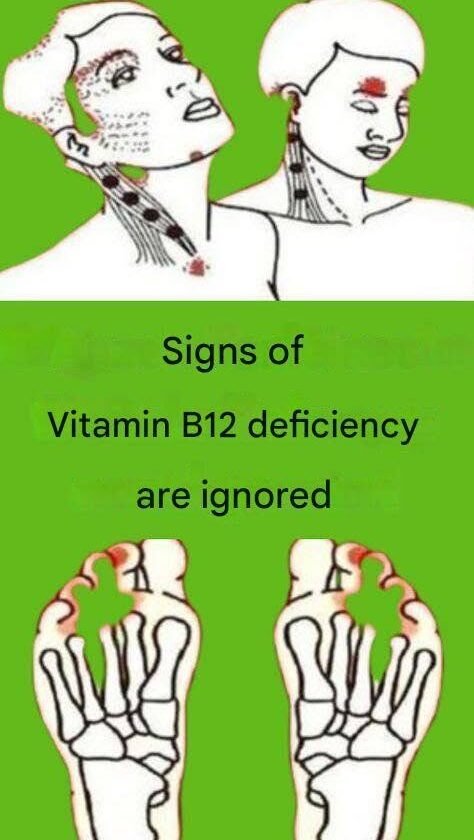
Vitamin B12 deficiency is frequently overlooked or misdiagnosed because its early symptoms often develop gradually and mimic other common conditions, such as stress, normal aging, or general fatigue. Recognizing these subtle warning signs early is crucial to preventing long-term, potentially irreversible neurological damage.
—
### Why the Signs Are Easily Ignored
* **Slow Onset:** The body can store several years’ worth of vitamin B12 in the liver, meaning a deficiency takes a long time to manifest visibly.
* **Vague Symptoms:** Many signs—like tiredness or mild forgetfulness—are easily dismissed as a busy lifestyle or lack of sleep.
* **Masked by Other Issues:** Symptoms can overlap with iron-deficiency anemia, thyroid disorders, or chronic fatigue, leading to delayed correct diagnoses.
—
### Common Signs That Are Often Overlooked
* **Persistent Fatigue and Weakness:** Feeling chronically exhausted despite getting adequate rest, often caused by a lack of red blood cells to carry sufficient oxygen (megaloblastic anemia).
* **Numbness and Tingling (“Pins and Needles”):** A ” كهرباء ” or prickling sensation in the hands, feet, or legs resulting from nerve fiber damage due to myelin sheath degradation.
* **Brain Fog and Memory Lapses:** Difficulty concentrating, forgetfulness, or mild confusion that can mistakenly be written off as age-related cognitive decline.
* **Pale or Jaundiced Skin:** A slight yellowish tint to the skin or whites of the eyes, caused by the breakdown of fragile red blood cells.
* **Balance and Mobility Issues:** Unsteadiness, unexplained clumsiness, or difficulty walking smoothly, which stems from nerve damage affecting spatial awareness.
* **Mood Changes:** Increased irritability, anxiety, or depressive symptoms linked to the vitamin’s role in synthesizing neurotransmitters like serotonin and dopamine.
* **Sore, Smooth Tongue (Glossitis):** A painful, swollen, or unusually red tongue with flattened papillae, sometimes accompanied by mouth ulcers.
—
### Who Is Most at Risk?
* **Older Adults:** Reduced stomach acid production with age impairs the body’s ability to absorb B12 from food.
* **Vegetarians and Vegans:** Plant-based diets lack natural dietary sources of B12 unless fortified foods or supplements are consumed.
* **Individuals with Gastrointestinal Disorders:** Conditions like Crohn’s disease, celiac disease, or previous weight-loss surgeries directly impact absorption in the small intestine.
* **Long-Term Medication Users:** Regular use of proton pump inhibitors (PPIs), H2 blockers, or metformin can decrease B12 absorption.
> **Note:** If you suspect a deficiency, a simple blood test ordered by a healthcare provider can check your serum B12 and methylmalonic acid (MMA) levels to confirm the diagnosis safely before starting any high-dose supplementation.
—
Are you or someone you know currently experiencing any of these specific symptoms?