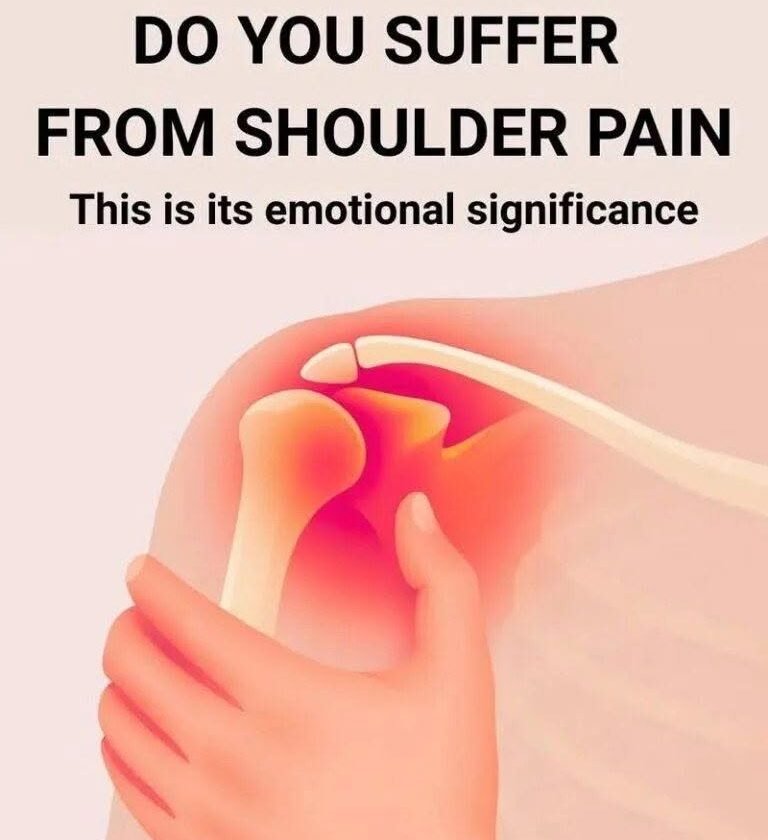
In mind-body and somatic traditions, shoulder pain is most commonly associated with carrying too much responsibility, emotional burdens, or chronic stress.
Because the shoulders physically bear weight, they are often viewed metaphorically as the place where we hold the “weight of the world” or feel unsupported.
Common Emotional & Symbolic Themes
-
Overburden and Responsibility: Feeling like you have to do everything yourself, take care of everyone else, or carry the emotional weight of a family, job, or relationship.
-
Chronic Stress and Guarding: When you feel anxious, unsafe, or constantly “on alert,” your nervous system instinctively pulls your shoulders up toward your ears to protect your neck and head. Over time, this subconscious bracing creates chronic muscle tension and pain.
-
Lack of Support: Feeling alone in your struggles or believing that if you don’t handle a situation, everything will fall apart.
-
Suppressed Emotions: Holding back anger, grief, or frustration rather than expressing them, leading to physical rigidity in the upper body.
Left vs. Right Shoulder Symbolism
In holistic and somatic frameworks, the side of the pain is sometimes given specific meaning (though this is purely symbolic, not medical):
-
Right Shoulder: Often linked to external action, career, work pressure, control, and taking on too many practical tasks or obligations.
-
Left Shoulder: Often linked to internal emotions, relationships, nurturing, grief, or feeling emotionally unsupported by others.
The Mind-Body Mechanism
While emotional symbolism is a helpful lens for self-reflection, the connection between emotions and shoulder pain has a clear physiological basis. Psychological stress triggers the sympathetic nervous system (fight-or-flight), which increases muscle tone in the upper trapezius and levator scapulae muscles. If stress becomes chronic, these muscles never fully relax, restricting blood flow and causing stiffness, trigger points, and aching pain.
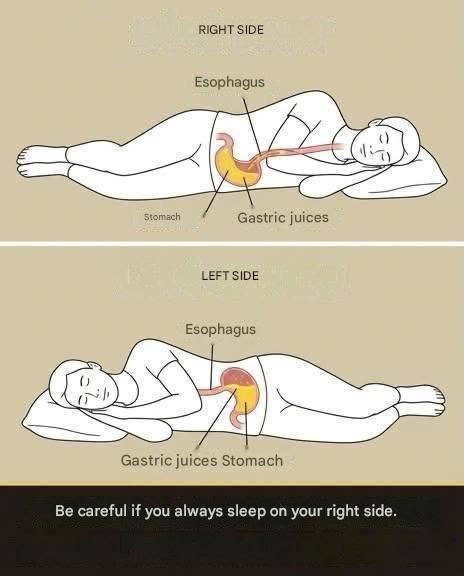
(Note: Because shoulder pain is very frequently caused by physical factors—such as posture, rotator cuff strain, sleep position, or referred pain from the neck or internal organs—it is always wise to rule out physical causes with a healthcare provider, especially if the pain is sudden, severe, or accompanied by other symptoms.)