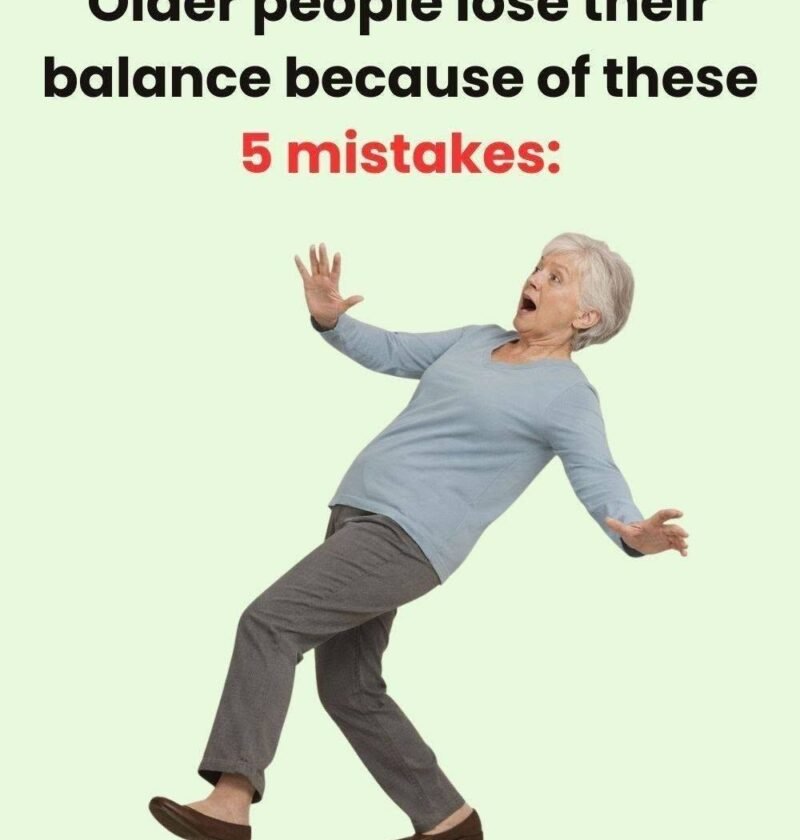
Maintaining good balance is essential for independence, mobility, and fall prevention as we age. Balance relies on a complex coordination system involving vision, inner ear function (vestibular system), and proprioception (awareness of body position in space).
Unintentional everyday habits and overlooked oversights can quietly degrade stability over time.
Common Mistakes That Negatively Affect Balance
-
Neglecting Lower-Body Strength Training:
-
The Mistake: Focusing only on walking or light movement while ignoring resistance training for the legs.
-
Why it hurts balance: Strong quadriceps, hamstrings, glutes, and calves act as shock absorbers and anchors. Without them, the body lacks the raw power needed to catch itself during a sudden slip or misstep.
-
-
Wearing Unsupportive or Improper Footwear:
-
The Mistake: Walking around the house in socks, slippers with thin soles, or wearing loose sandals and high heels outside.
-
Why it hurts balance: Bare feet or slick socks eliminate traction on hardwood and tile floors, while unsupportive shoes distort feedback from the nerves in the soles of your feet, which your brain relies on to stay upright.
-
-
Ignoring Vision and Hearing Changes:
-
The Mistake: Delaying updated eyeglass prescriptions or failing to check for hearing loss.
-
Why it hurts balance: Your eyes tell your brain where you are relative to your surroundings, and the inner ear (which houses both hearing and vestibular balance mechanisms) helps govern spatial orientation. Impairments in either system heavily compromise stability.
-
-
Overlooking Medication Side Effects:
-
The Mistake: Taking medications that cause dizziness, drowsiness, or drops in blood pressure (such as certain sedatives, blood pressure drugs, or antihistamines) without reviewing them.
-
Why it hurts balance: Sudden bouts of lightheadedness or delayed reaction times significantly increase the risk of a fall, especially when getting up quickly.
-
-
A Sedentary Lifestyle (The “Use It or Lose It” Trap):
-
The Mistake: Spending long hours sitting with little physical variation throughout the day.
-
Why it hurts balance: Balance pathways in the brain and nervous system deteriorate rapidly when they aren’t regularly challenged. Sitting too much also leads to muscle atrophy, particularly in postural core and leg muscles.
-
-
Rushing and Multi-Tasking While Walking:
-
The Mistake: Trying to carry objects, read a phone, or rush to answer the door while moving.
-
Why it hurts balance: As we age, the brain requires more cognitive focus to coordinate movement. Dividing your attention between walking and a secondary task makes it much harder to recover from an uneven patch of ground.
-
-
Failing to Challenge Balance Proactively:
-
The Mistake: Assuming balance is purely genetic or fixed, and never practicing stability exercises.
-
Why it hurts balance: Balance is a skill that can be improved at any age through simple, consistent movements like standing on one foot (near a counter for safety) or practicing heel-to-toe walking.
-
Fall Prevention Tip: Small adjustments—such as improving indoor lighting, clearing stray rugs, installing grab bars in the bathroom, and adding brief balance drills to your daily routine—go a long way toward preserving long-term mobility and confidence.