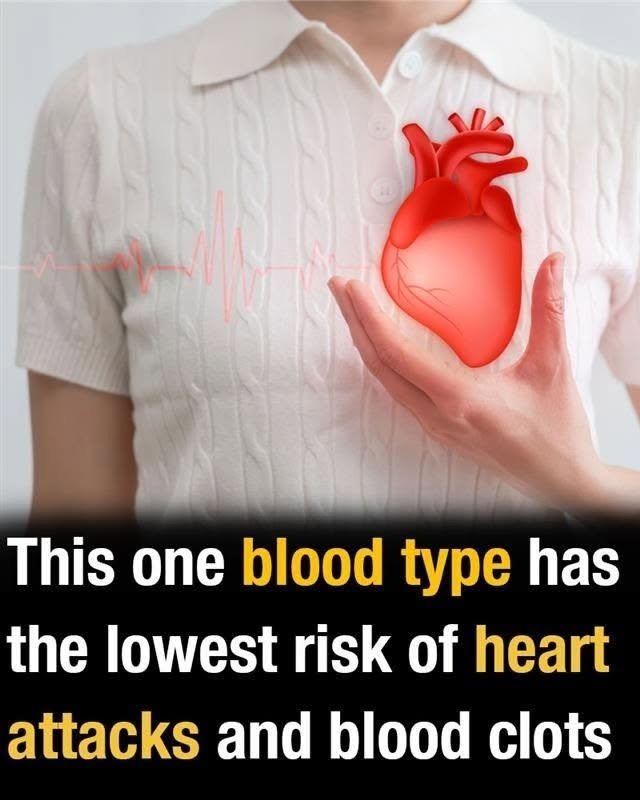
You are referring to Blood Type O.
Large-scale epidemiological studies and major cardiology research have consistently shown that people with Type O blood have a lower relative risk of coronary heart disease, heart attacks, and dangerous blood clots (such as deep vein thrombosis and pulmonary embolisms) compared to those with Types A, B, or AB.
Why Type O Has a Lower Risk
-
Lower Clotting Protein Levels: Individuals with Type O blood naturally circulate lower average levels of von Willebrand factor and Factor VIII—key protein molecules that assist in blood coagulation. Because non-O blood types (A, B, and AB) carry higher concentrations of these proteins, their blood has a slightly higher tendency to form clots.
-
Cholesterol and Inflammation Links: Some studies also indicate that non-O blood types—particularly Type A—may be linked to slightly higher levels of LDL (“bad”) cholesterol, while Type AB is associated with markers of systemic inflammation that can affect blood vessels over time.
Important Context
While having Type O blood confers a statistical advantage regarding cardiovascular events, it is not a guarantee of immunity. Cardiologists emphasize that modifiable lifestyle factors play a far more powerful role in determining your overall heart health than genetics alone. Factors such as diet, exercise, smoking status, blood pressure, and cholesterol management heavily outweigh the influence of a person’s blood type.
Are you interested in ways to manage heart health risk factors for a specific blood type, or would you like tips on cardiovascular wellness?