…another classic health headline trying to turn a normal bodily cue into an impending medical catastrophe!
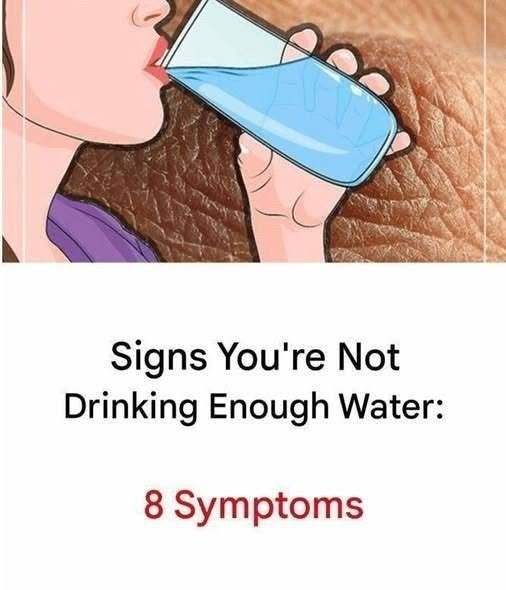
While the internet loves to use dramatic warnings like “What happens when your body does not get enough hydration” to make dehydration sound like an instant emergency, the reality is much more gradual and practical. Your body is remarkably resilient and gives you plenty of early warning signs long before anything dangerous happens.
Stripping away the alarmist hype, here is what actually happens to your body on a sliding scale when water intake runs a little low:
💧 The Progression of Dehydration
-
The Early Warning System (Mild Dehydration):
-
Thirst and Dry Mouth: This is your body’s most obvious and immediate prompt. Long before you’re in danger, your brain tells you to grab a glass of water.
-
Darker Urine: As mentioned earlier, your kidneys start conserving water, making your output look more like apple juice than pale straw.
-
Mild Fatigue and Brain Fog: Your blood volume drops slightly when you’re low on fluids, meaning your heart has to work a tiny bit harder to pump oxygen to your brain and muscles. This causes that afternoon sluggishness, a dull headache, or trouble concentrating.
-
-
Stepping It Up (Moderate Dehydration):
-
Dry Skin and Lips: Your body prioritizes keeping your internal organs functioning, so skin elasticity decreases.
-
Dizziness or Lightheadedness: A temporary drop in blood pressure can happen when you stand up too fast if your fluid levels are low.
-
Muscle Cramps: Electrolyte imbalances paired with low fluid volume can cause muscles (especially in the legs and feet) to seize up during exertion.
-
-
Severe Dehydration (When It Does Become a Medical Emergency):
-
True severe dehydration involves extreme confusion, a rapid heart rate, very low blood pressure, an inability to sweat or urinate, and potential organ stress. This typically happens due to intense illness (like severe vomiting or diarrhea), extreme heat stroke, or prolonged neglect—not just forgetting to drink your morning glass of water.
-
🟢 How Much Water Do You Actually Need?
You can safely ignore the rigid “drink 8 massive glasses of water a day or face doom” rule. Your fluid needs depend on your weight, activity level, climate, and what you eat (since water-rich foods like fruits and vegetables contribute significantly to your daily intake).
The Bottom Line: Listen to your thirst, aim for comfortable pale hydration, and don’t panic if you fall a little short on a busy day. Your body is brilliant at letting you know when it’s thirsty long before things get critical.
Did a dramatic article pop up on your feed trying to convince you that you’re constantly dehydrated?