💧 What Happens When You Don’t Drink Enough Water?
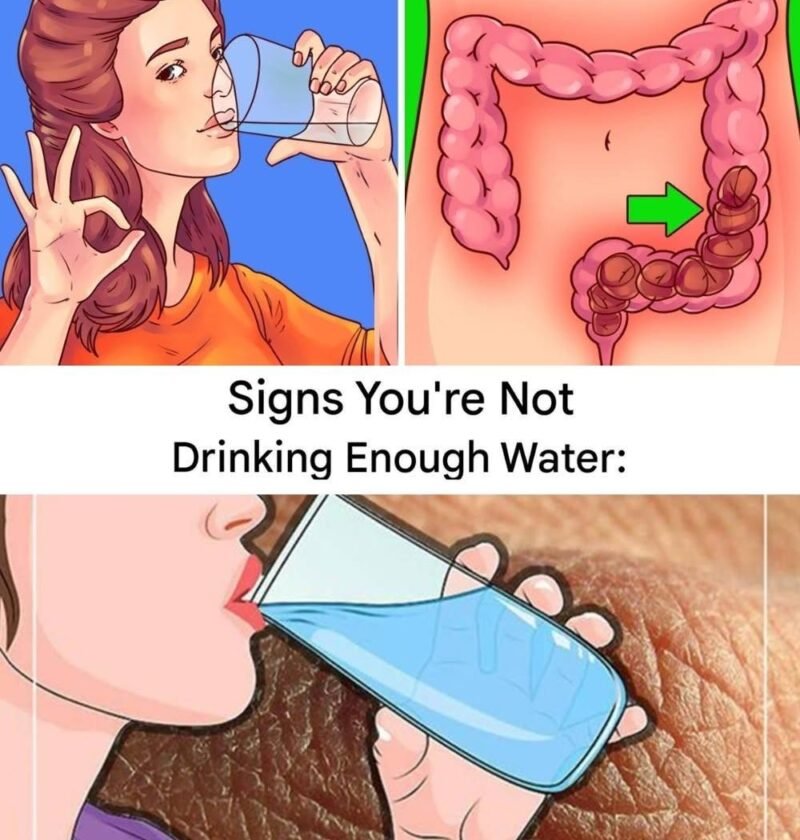
Your body needs water for blood circulation, temperature regulation, digestion, joints, and normal kidney function. When you lose more fluid than you replace, dehydration can develop.
8 common signs of dehydration
- Thirst — one of the body’s earliest signals that you need more fluid.
- Dark yellow urine — concentrated urine can be a useful clue, although medications and some foods can also change urine color.
- Urinating less often — reduced urine output can occur as the body conserves water.
- Dry mouth and lips — decreased saliva can make your mouth feel sticky or dry.
- Headache — dehydration can contribute to headaches in some people.
- Dizziness or lightheadedness — particularly when standing up.
- Tiredness or weakness — dehydration can reduce physical and mental performance.
- Dry skin — although skin dryness alone isn’t a reliable measure of hydration.
👵 Older adults need extra attention
Thirst may become less noticeable with age, so an older person shouldn’t always wait until they’re very thirsty before drinking. Certain medications, hot weather, fever, vomiting, diarrhea, and heavy sweating can also increase fluid needs.
Rather than forcing a specific amount of water every day, drink regularly and follow your clinician’s fluid recommendations if you have heart failure, kidney disease, or another condition requiring fluid restriction.
🚨 Severe dehydration is an emergency
Seek urgent medical care for confusion, fainting, extreme weakness, inability to keep fluids down, very little or no urine, rapid breathing, or a very rapid heartbeat.
Bottom line: Thirst, dark urine, dry mouth, dizziness, and reduced urination are useful warning signs, but dehydration can become serious quickly—particularly in older adults. Replacing fluids early is much easier than treating severe dehydration.