This means:
“What physical effects can occur when you don’t consume enough water or other fluids to keep your body properly hydrated?”
Breakdown
“What happens to your body” = asks about the effects on your health and bodily functions.
“If you don’t drink enough water” = refers to inadequate fluid intake, which can lead to dehydration.
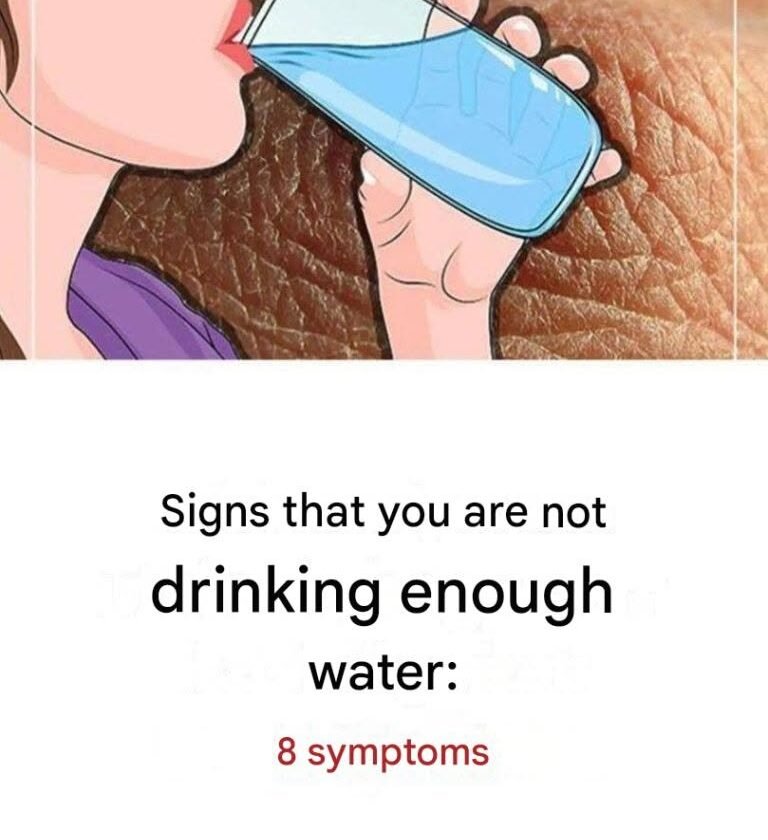
Mild dehydration may cause thirst, dry mouth, darker urine, tiredness, headache, dizziness, and reduced urination.
More severe dehydration can cause confusion, very little or no urination, rapid heartbeat, low blood pressure, and loss of consciousness and can require urgent medical attention.
Important point
You don’t necessarily need to drink plain water exclusively to stay hydrated—other beverages and water-rich foods also contribute to your fluid intake. Your fluid needs vary depending on factors such as temperature, activity level, illness, diet, and medications.
A simpler version:
“How does not getting enough fluid affect your body, and what are the warning signs of dehydration?”