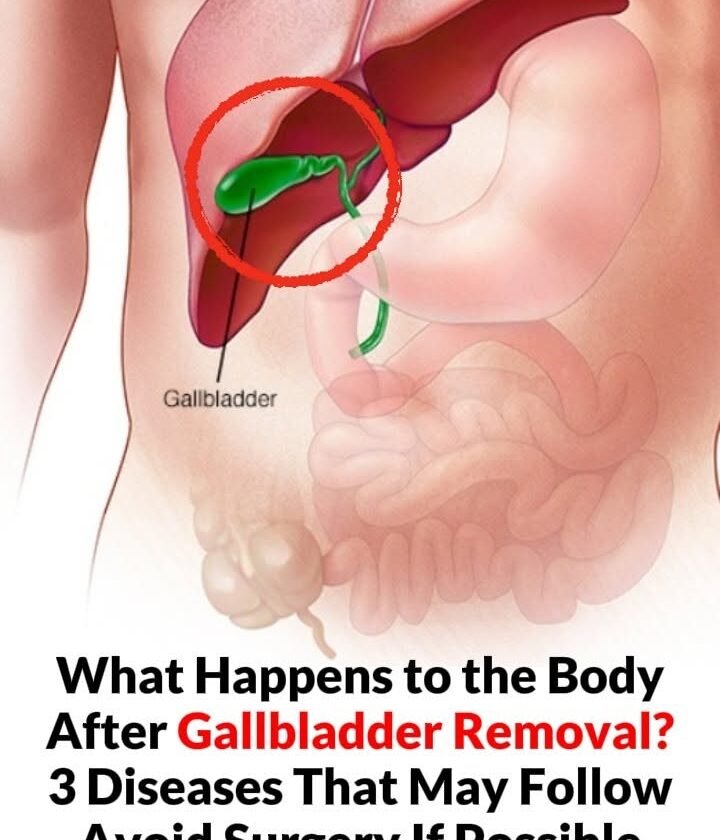
What Happens to the Body After Gallbladder Removal?
Gallbladder removal (cholecystectomy) is a common operation. The gallbladder stores and concentrates bile, but the liver continues making bile after surgery. Instead of being stored and released when needed, bile flows more continuously into the small intestine.
For most people, this does not cause a major long-term problem, and many return to a normal diet and routine after recovery.
What can happen after surgery?
Some people temporarily experience:
-
Loose stools or diarrhea
-
Bloating or increased gas
-
Abdominal discomfort, particularly after fatty meals
-
Changes in bowel habits
These symptoms often improve as the digestive system adjusts. A smaller amount of fat per meal can be easier to tolerate initially.
“Three diseases that may follow” — an important distinction
Gallbladder removal itself does not mean that three specific diseases will inevitably develop. Claims that surgery routinely causes serious diseases afterward are misleading.
There are, however, recognized complications or conditions that can occur after cholecystectomy, including:
-
Post-cholecystectomy diarrhea — often related to increased bile reaching the intestine.
-
Bile reflux or indigestion-type symptoms — some people develop persistent upper-abdominal or digestive symptoms.
-
Bile-duct problems — uncommon complications include retained or newly formed bile-duct stones, bile leakage, or narrowing of the bile ducts.
These aren’t reasons to assume surgery should be avoided; the reason for surgery matters.
Should you avoid gallbladder surgery if possible?
Not necessarily. If someone has symptomatic gallstones, acute cholecystitis, gallstone pancreatitis, or certain other complications, surgery may prevent potentially serious or recurrent problems.
On the other hand, gallstones that cause no symptoms often don’t require surgery. Whether surgery is appropriate depends on the diagnosis, symptoms, complications, overall health, and surgical risk