“Remove Dental Plaque in 5 Minutes Naturally” — What Actually Works
Be careful with this viral claim. There is no proven natural method that safely removes all dental plaque in five minutes, and a home remedy shouldn’t be presented as a substitute for professional dental care.
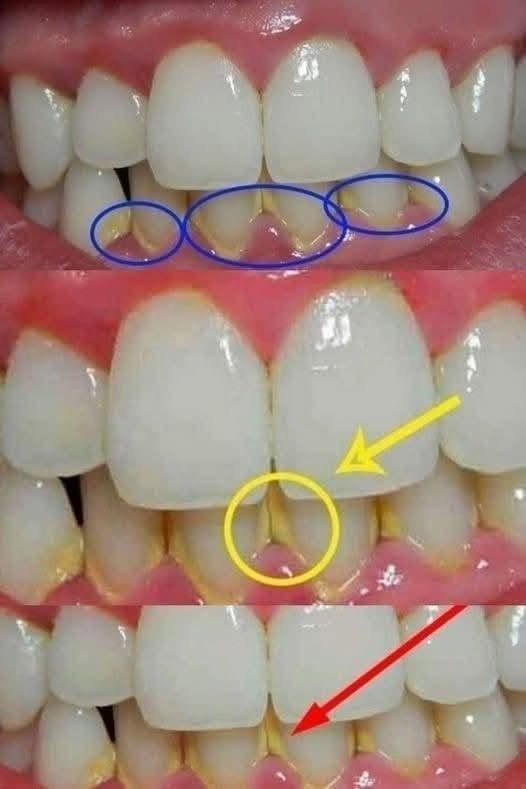
Plaque is a sticky bacterial film that forms continuously on teeth. If it isn’t removed, it can contribute to tooth decay and gum disease. Once plaque hardens into tartar (calculus), ordinary brushing cannot remove it; it generally requires professional cleaning.
What you can do at home
For everyday plaque control:
- Brush twice a day for about two minutes with fluoride toothpaste and a soft-bristled toothbrush.
- Clean between your teeth daily with floss or another appropriate interdental cleaner.
- Spit after brushing rather than immediately rinsing with lots of water, so fluoride remains on the teeth longer.
- Limit frequent sugary foods and drinks.
- Replace a worn toothbrush or brush head regularly.
What about baking soda, lemon, or vinegar?
Be cautious with “natural plaque removers” involving lemon juice, vinegar, or abrasive mixtures. Acidic substances can contribute to enamel erosion, while aggressive scrubbing can irritate gums and wear tooth surfaces.
Baking soda can be included in some commercially formulated toothpastes, but that doesn’t mean rubbing household baking soda directly on your teeth is a five-minute cure.
When you actually need a dentist
If you have hard yellow/brown deposits, bleeding or swollen gums, persistent bad breath, tooth pain, loose teeth, or gum recession, don’t try to scrape the deposits off yourself.
Bottom line: You can remove soft plaque at home through consistent brushing and interdental cleaning, but tartar cannot safely be “dissolved” or scraped away naturally in five minutes. Professional cleaning is appropriate when calculus has accumulated.