Everyday Triggers (Most Common)
-
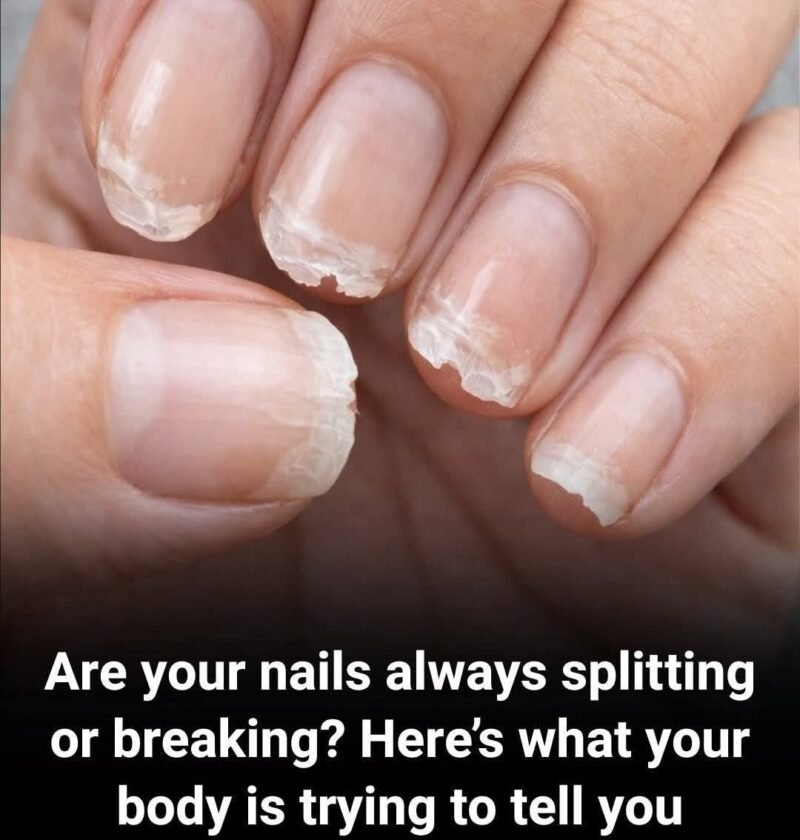
Repeated wetting and drying: Frequent handwashing, dishwashing, or water exposure causes the nail plate to swell and shrink as it dries. Over time, repeated expansion and contraction loosen bonds between keratin layers and cause peeling.
-
Harsh solvents and cosmetics: Frequent acetone nail polish remover, gel or acrylic enhancements and removals, strong soaps, and household cleaners strip protective lipids and thin the nail plate.
-
Dry air and mechanical strain: Low indoor humidity, cold weather, aggressive filing or buffing, and using fingernails as tools (to pry, scrape, or open tabs) leave nails prone to snags, splits, and breaks.
Internal Clues Worth Checking
-
Iron deficiency: Low iron stores—with or without anemia—can contribute to brittle, thin, or ridged nails. More marked iron deficiency can sometimes cause spoon-shaped nails (koilonychia), typically alongside fatigue, pale inner eyelids, dizziness, or shortness of breath.
-
Thyroid imbalances: An underactive thyroid (hypothyroidism) slows metabolic and cellular turnover, which can contribute to dry, brittle, or slow-growing nails alongside cold intolerance, fatigue, or dry skin.
-
Dietary gaps or localized nail conditions: Inadequate overall protein or calorie intake—or deficiencies in nutrients like iron or zinc—can play a role when nutrition is restricted, though high-dose supplements rarely help without a documented deficiency. Fungal infections or nail psoriasis can also cause crumbly, thickened, or lifted nails.
| Clue or Pattern | Common Possibilities | Practical Next Step |
| Peeling tips, worse after water or polish | Repeated wetting/drying, solvents, dry air | Wear gloves for chores, limit harsh removers, moisturize daily |
| Brittle nails + fatigue or pale skin | Possible iron deficiency or anemia | Ask a doctor about checking iron/ferritin and a complete blood count |
| Brittle nails + cold sensitivity or sluggishness | Possible thyroid imbalance | Discuss thyroid testing (such as TSH) with a clinician |
| Thickened, crumbly, or lifted nails | Nail fungus, psoriasis, or repeated trauma | Have a doctor or dermatologist inspect the nail before treating |
Practical Care That Makes a Difference
-
Protect hands during wet or chemical work: Wear gloves when washing dishes or cleaning, and avoid long water soaks.
-
Moisturize bare nails and cuticles: Apply plain ointment or thick cream (such as petrolatum, ceramide cream, or jojoba/mineral oil) after handwashing and before bed, especially around the cuticle (eponychium) and nail plate.
-
Keep nails trimmed and smooth: Trim straight across, lightly round corners with a fine file, and avoid using nails as tools.
-
Take breaks from salon enhancements: Avoid peeling off polish or gel enhancements, space out acrylics or gels, and favor gentler removal when needed.