Vitamin B12 is an essential nutrient that your body cannot produce on its own. It plays a critical role in producing red blood cells, maintaining nerve function, and synthesizing DNA. Because B12 is stored in the liver, a deficiency can take months or even years to develop—meaning the symptoms often creep up slowly until they become impossible to ignore.
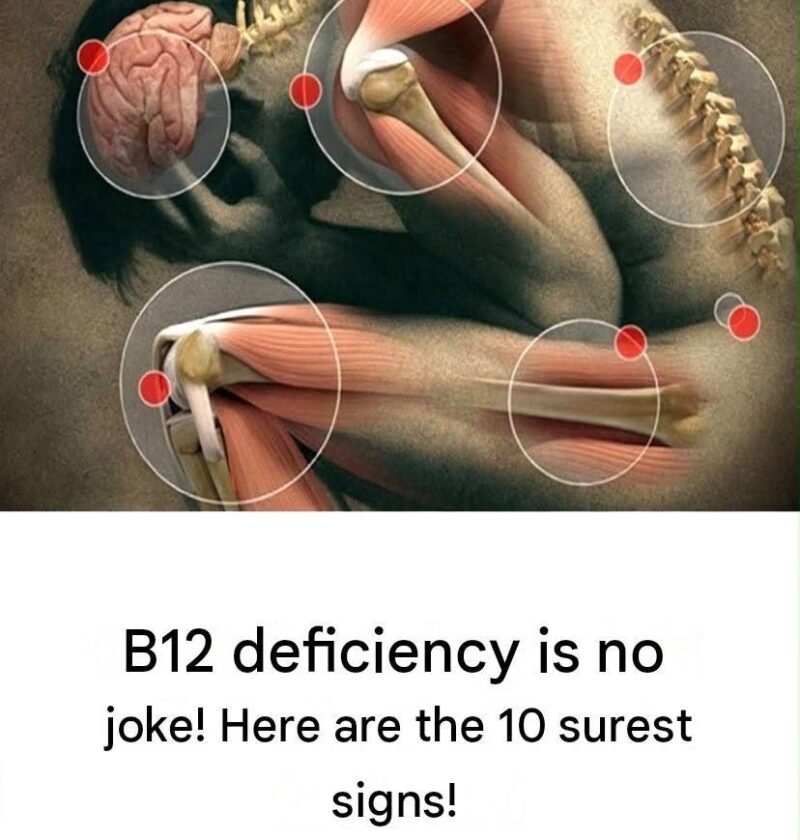
Here are 10 of the surest warning signs of a vitamin B12 deficiency:
1. Profound Fatigue and Weakness
-
What Happens: Without enough B12, your body struggles to produce healthy red blood cells, leading to megaloblastic anemia. Red blood cells carry oxygen throughout your body; when you have fewer of them, your tissues are oxygen-starved.
-
The Sign: A deep, persistent exhaustion that sleep doesn’t fix, often accompanied by heavy limbs and muscle weakness that makes everyday tasks feel draining.
2. Numbness, Tingling, or “Pins and Needles”
-
What Happens: B12 is vital for maintaining the protective sheath (myelin) that insulates your nerves. A prolonged deficiency can cause progressive nerve damage.
-
The Sign: A frequent tingling or prickling sensation in your hands, fingers, feet, or toes—sometimes described as feeling like mild electric shocks or “static.”
3. Balance Issues and Unsteady Gait
-
What Happens: Nerve damage and demyelination affecting the peripheral nerves and spinal cord can impair your proprioception (your body’s awareness of where it is in space).
-
The Sign: Feeling unusually clumsy, stumbling more often, or feeling unsteady and off-balance while walking, particularly in the dark.
4. Pale or Sallow Yellowish Skin
-
What Happens: Due to the destruction of fragile red blood cells (hemolysis) caused by B12 anemia, excess bilirubin is released into the body, giving the skin and the whites of the eyes a faint lemon-yellow tint. Alternatively, lack of blood flow can cause extreme paleness.
-
The Sign: A noticeable, unusual paleness or a mild yellowish tinge to your complexion.
5. A Smooth, Red, Sore Tongue (Glossitis)
-
What Happens: Rapidly dividing cells, like those on the surface of your tongue, are heavily impacted by B12 shortages. The tiny bumps (papillae) on your tongue can atrophy and flatten out.
-
The Sign: A tongue that looks unnaturally smooth, glossy, red, and swollen, often accompanied by burning pain, soreness, or mouth ulcers.
6. Breathlessness and Dizziness
-
What Happens: Because your blood carries less oxygen, your cardiovascular and respiratory systems have to work significantly harder to compensate during physical exertion.
-
The Sign: Getting winded or feeling dizzy and lightheaded after climbing a single flight of stairs or doing light activity that used to be easy.
7. Mood Changes, Brain Fog, and Memory Lapses
-
What Happens: B12 heavily influences neurological function and the synthesis of neurotransmitters like serotonin and dopamine. Low levels can mimic or worsen cognitive decline.
-
The Sign: Struggling to concentrate, experiencing frustrating memory lapses, or feeling uncharacteristically irritable, anxious, or low.
8. Vision Changes
-
What Happens: Long-term, untreated B12 deficiency can damage the optic nerve that leads to the eyes, causing optic neuropathy.
-
The Sign: Blurry or disturbed vision, shadows, or even gradual vision loss in severe cases (though this is less common and usually reversible with treatment).
9. Unexplained Joint and Muscle Aches
-
What Happens: Nerve inflammation and anemia-related fatigue can put unusual strain on the musculoskeletal system.
-
The Sign: Generalized stiffness, aches, or joint discomfort without a clear history of injury or arthritis.
10. Low-Grade Fevers or Sensitivity to Cold
-
What Happens: Severe anemia can sometimes trigger low-grade systemic responses, while poor circulation from lack of healthy red blood cells leaves your body struggling to regulate its core temperature.
-
The Sign: Feeling persistently chilly when others are comfortable, or experiencing minor, unexplained body temperature fluctuations.
⚠️ Who is Most at Risk?Vitamin B12 deficiency is especially common in older adults (due to declining stomach acid needed to absorb the vitamin from food), vegans and vegetarians (since B12 is found almost exclusively in animal products), and individuals with gastrointestinal conditions like celiac disease, Crohn’s disease, or those taking acid-reducing medications long-term. If you suspect a deficiency, a simple blood test can confirm it, and treatment typically involves dietary changes, high-dose oral supplements, or B12 injections.