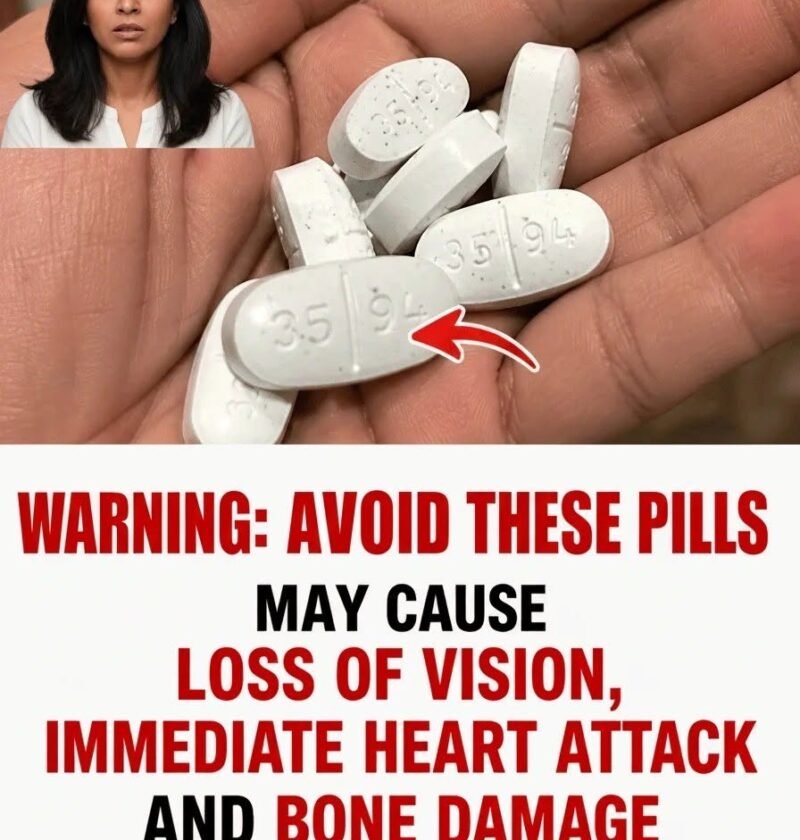
It looks like you’ve shared a headline or a clickbait title about a health risk! While it’s always smart to be mindful of your health, sensationalized headlines can sometimes cause unnecessary worry without giving you the full picture.
If you are looking for information on this topic, here is a quick breakdown of what you need to know about everyday medications and blood clot risks:
Understanding the Risk
-
Common Culprits: The everyday medications most frequently associated with an increased risk of blood clots (such as deep vein thrombosis or pulmonary embolism) are usually hormone-based medications, such as combined hormonal contraceptives (birth control pills) and certain hormone replacement therapies (HRT) containing estrogen.
-
Over-the-Counter Pain Relievers: Certain nonsteroidal anti-inflammatory drugs (NSAIDs) like ibuprofen or diclofenac, when taken in high doses or over a long period, have also been linked in some studies to a slightly elevated cardiovascular risk, though the mechanism differs.
-
Individual Risk Factors: Medications rarely act in a vacuum. A person’s overall risk depends heavily on other factors, such as genetics, smoking status, age, prolonged immobility (like long flights), and underlying medical conditions.
How to Stay Safe
-
Review Your Medications: Always discuss your full medical history and all current medications—including over-the-counter drugs and supplements—with your doctor or pharmacist.
-
Know the Warning Signs: If you are taking medication with known vascular risks, it is helpful to recognize the early signs of a blood clot (like a DVT), which often include:
-
Swelling in one leg, ankle, or foot.
-
Pain, cramping, or tenderness in the calf (often feeling like a pulled muscle).
-
Warmth or redness of the skin over the affected area.
-
Emergency signs (pointing to a pulmonary embolism) include sudden shortness of breath, chest pain, or a rapid heart rate.
-
-
Never Stop Prescribed Meds Abruptly: If you are worried that a medication you take might pose a risk, consult your healthcare provider before stopping it. Abruptly halting certain treatments can sometimes carry greater health risks.
Is there a specific medication, condition, or health symptom you are looking into today? Let me know, and I’d be happy to help you find accurate, evidence-based information!