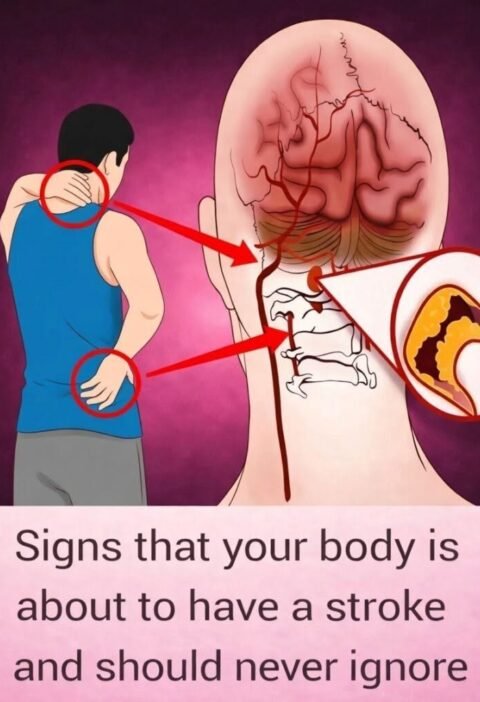
The warning “These tablets can cause blood clots, blood thrombosis, and heart attacks” is a broad claim. Some medications can increase the risk of blood clots or cardiovascular events in certain people, but the risk depends on the specific medicine, dose, duration of use, and a person’s health history.
Examples of medication groups that may have clot or heart-related risks include:
- Some hormonal medicines
- Certain estrogen-containing contraceptives and hormone therapies can increase the risk of blood clots in some users, especially those with additional risk factors.
- Some anti-inflammatory pain medicines (NSAIDs)
- Certain NSAIDs may slightly increase the risk of heart attack or stroke, particularly with higher doses or long-term use in people with cardiovascular risk factors.
- Some cancer treatments and immune-related medicines
- Certain therapies can affect clotting risk and require monitoring.
- Some medications that affect blood cells or clotting
- These may require careful supervision because they can alter bleeding or clotting balance.
Get urgent medical help if you develop possible clot or heart attack symptoms:
- Sudden chest pain, pressure, or tightness
- Shortness of breath
- Coughing blood
- Sudden weakness or numbness on one side of the body
- Trouble speaking
- A painful, swollen, warm, or red leg (possible deep vein thrombosis)
If you have the name of the tablets from the warning (or a photo/list of the ingredients), I can explain whether there is a known clot or heart risk and who should be cautious.