High Blood Pressure? Don’t Automatically Stop Your Pills—Review These Medications Instead
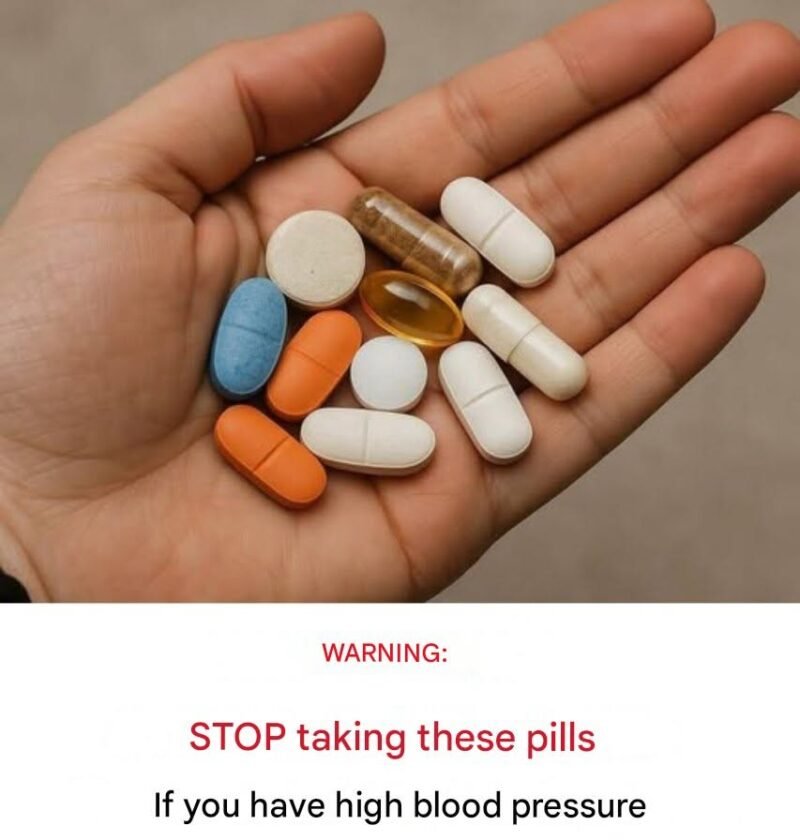
The headline “STOP taking these pills” is dangerous advice. If you have hypertension, never stop a prescribed blood-pressure medication or change its dose on your own. The American Heart Association specifically recommends discussing medication changes with your healthcare professional.
However, some over-the-counter and prescription medicines can raise blood pressure or make it harder to control.
💊 1. NSAID pain relievers
Medicines such as ibuprofen and naproxen can raise blood pressure and may reduce the effectiveness of some blood-pressure medicines. Ask your doctor or pharmacist about safer alternatives for your particular situation.
🤧 2. Decongestants
Cold medicines containing decongestants such as pseudoephedrine can increase blood pressure, particularly when hypertension isn’t well controlled. Check the active ingredients before taking cold or flu products.
💊 3. Corticosteroids
Medicines such as prednisone can raise blood pressure in some people. Don’t stop a prescribed steroid abruptly; discuss the medication with your prescriber.
🧠 4. Certain stimulants and psychiatric medications
Some stimulants, antidepressants, and other mental-health medications can affect blood pressure. Whether they should be changed depends on why they’re prescribed and your individual risk.
🌿 5. Certain supplements
Some herbal products—including ephedra/ma huang and natural licorice—can raise blood pressure. “Natural” doesn’t necessarily mean safe for people with hypertension.
🚨 What about your blood-pressure medicine itself?
Don’t stop medications such as metoprolol, amlodipine, losartan, lisinopril, or diuretics simply because you’ve seen a warning online. Your doctor may need to adjust treatment, but stopping medication without guidance can allow your blood pressure to rise or worsen the condition being treated.