That advice is sensible. The insect needs to be identified before deciding what its presence means. Extension guidance specifically recommends proper identification as the first step because different household insects point to different conditions.
U
University of Maryland Extension
+1
For example:
Silverfish: often indicate excessive moisture or humidity and may damage books, paper, wallpaper, and starchy foods.
N
National Pesticide Information Center
+1
House centipedes: are generally harmless and eat other insects. Seeing many can indicate that other prey insects are abundant, sometimes along with damp conditions.
P
Penn State Extension
+1
Cockroaches: are more concerning because they can carry disease-causing bacteria and trigger allergies or asthma. Repeated sightings warrant attention to sanitation, food storage, entry points, and possible infestation.
P
Penn State Extension
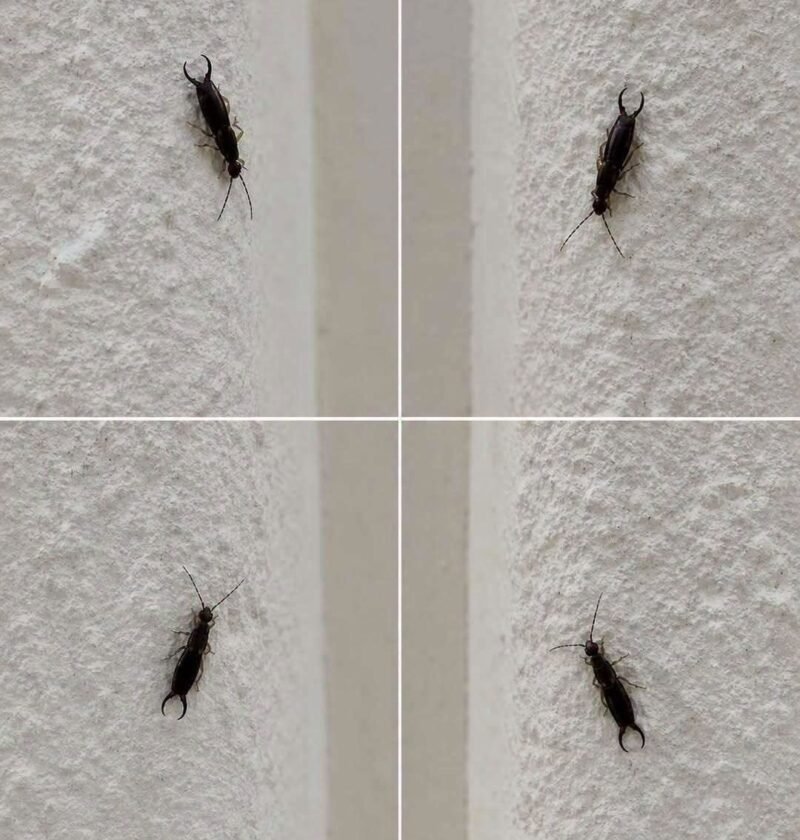
Earwigs: usually enter homes accidentally and prefer moist, sheltered areas; the old claim that they crawl into people’s ears is a myth.
P
pestworld.org
So “if you see this insect, you need to…” isn’t meaningful without knowing which insect it is. A photo is the best next step.
U
N
P
Sources