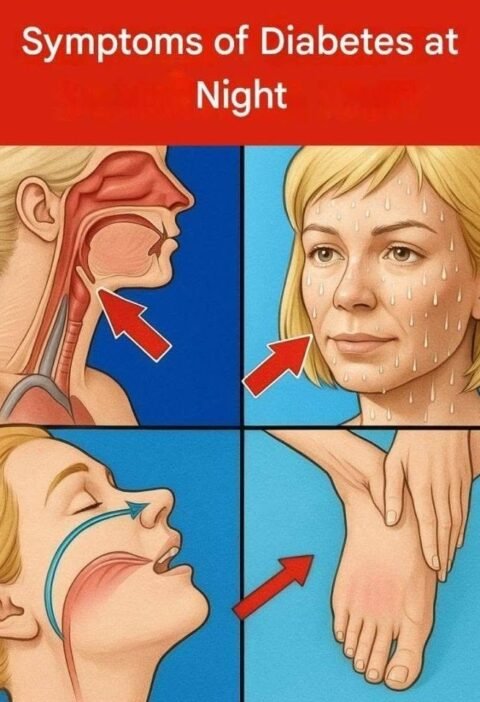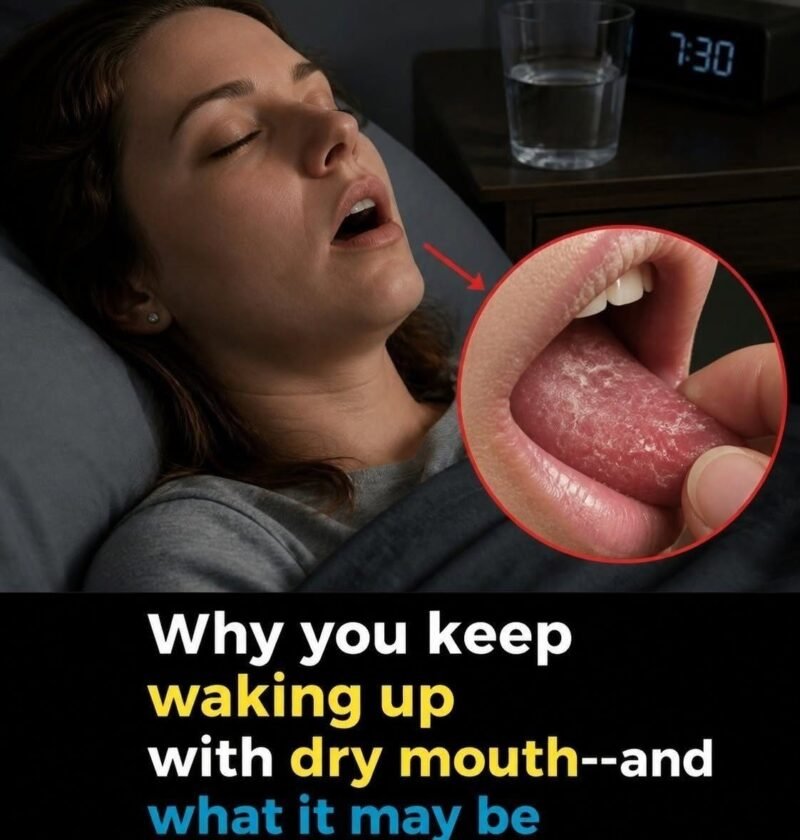
Waking up with a dry, sticky mouth is a surprisingly common morning annoyance, but when it happens regularly, your body is often trying to signal something specific about your nighttime habits, environment, or overall health.
Here is what your body might be trying to tell you when you wake up with a dry mouth:
1. “You’ve Been Breathing Through Your Mouth All Night”
-
The Cause: This is the most frequent culprit. Whether due to nasal congestion (from allergies, a cold, or a deviated septum), sinus issues, or simply a habit, breathing through your mouth dries up your saliva glands rapidly over 7 to 8 hours of sleep.
-
The Clue: You often wake up with a mild sore throat, dry lips, or a stuffy nose alongside the dryness.
2. “You Might Be Dehydrated”
-
The Cause: Your body naturally reduces saliva production while you sleep, but if you went to bed low on fluids—or if your room is too hot, dry, or heated/air-conditioned—your body will quickly run low on the moisture it needs to keep your mouth lubricated.
-
The Clue: The dryness is accompanied by intense thirst, dry skin, or dark-colored morning urine.
3. “Your Evening Habits Need a Tweaking”
-
The Cause: What you consume right before bed heavily impacts your morning mouth. Drinking alcohol, smoking or vaping, or consuming high amounts of caffeine or sugary beverages late in the evening can severely dehydrate your oral tissues and inhibit saliva flow.
-
The Clue: The dryness is worse on mornings following late-night drinks, snacks, or screens paired with poor hydration.
4. “Your Medication List Is Playing a Role”
-
The Cause: Over 500 medications list dry mouth (xerostomia) as a primary side effect. Common culprits include antihistamines, decongestants, high blood pressure medications (like diuretics), antidepressants, and anxiety drugs.
-
The Clue: The dry mouth started or worsened shortly after beginning a new prescription.
5. “An Underlying Health Factor Needs Attention”
-
The Cause: Chronic, persistent morning dry mouth can sometimes point to systemic health issues. Unmanaged diabetes (where high blood sugar pulls water from body tissues), sleep apnea (which heavily forces mouth breathing), or autoimmune conditions like Sjögren’s syndrome (which attacks moisture-producing glands) are frequent medical roots.
-
The Clue: The dry mouth is relentless, does not improve with hydration, and is accompanied by fatigue, loud snoring, or other chronic symptoms.
[!TIP]Simple Ways to Find Relief:Keeping a glass of water by your bed, using a bedside humidifier to add moisture to the air, avoiding alcohol and caffeine close to bedtime, and practicing nasal breathing (or treating underlying allergies) can make a significant difference.
Are you noticing any other symptoms when you wake up, like snoring, a stuffy nose, or a feeling of constant thirst?