8 Fruits That Support Healthy Circulation — But Don’t “Dissolve” Blood Clots
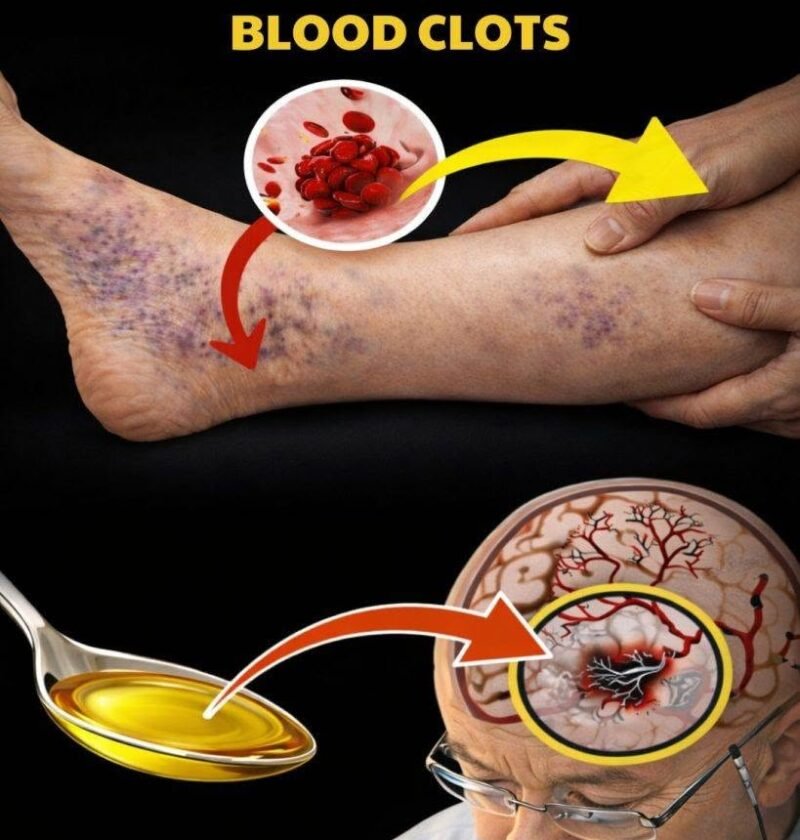
The phrase “natural blood clot management” needs an important clarification: no fruit can safely dissolve an existing blood clot or replace anticoagulant treatment. Confirmed clots such as DVT or pulmonary embolism require medical evaluation and, when appropriate, anticoagulant medication.
That said, fruits can be part of a heart-healthy diet that supports overall cardiovascular health.
🍎 8 good choices
- Berries — strawberries, blueberries, raspberries and blackberries provide fiber and polyphenols.
- Oranges and other citrus — rich in vitamin C and other plant compounds.
- Apples — provide soluble fiber and other beneficial plant compounds.
- Pears — a good source of fiber.
- Pomegranate — nutritious, but don’t assume it acts like a blood thinner.
- Cherries — provide polyphenols and other antioxidants.
- Kiwi — provides vitamin C, fiber and other nutrients.
- Avocado — technically a fruit and provides fiber and mostly unsaturated fats.
⚠️ If you take a blood thinner, be careful with viral “blood-thinning foods”
Warfarin is particularly sensitive to dietary changes. Foods containing vitamin K—including avocado and kiwi—don’t necessarily need to be avoided, but your intake should be reasonably consistent. Sudden major dietary changes can affect your INR.
Also, grapefruit, cranberry and pomegranate products can interact with warfarin, and grapefruit can interact with some other cardiovascular medicines. Check with your pharmacist before deliberately adding large amounts of these foods or juices.