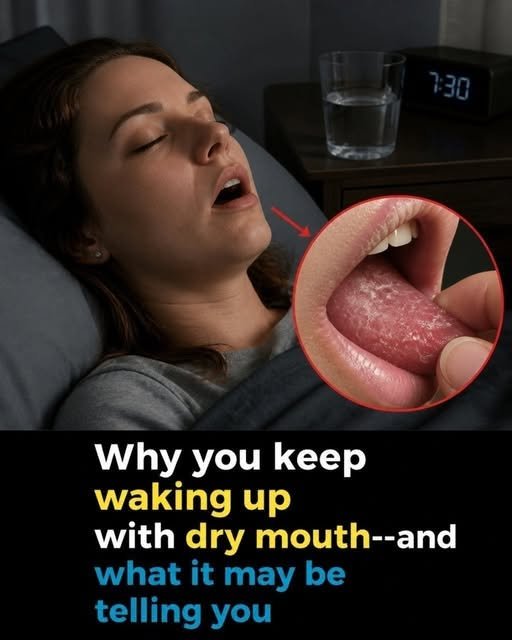
Waking up with a parched, sticky mouth is a surprisingly common morning frustration. While it can simply mean you were a little dehydrated the day before, persistent dry mouth (clinically known as xerostomia) can be your body’s way of signaling underlying habits, environmental factors, or health shifts.
Here is a breakdown of what your body might be telling you when you wake up with dry mouth:
—
### Common Causes & What They Mean
* **You’re breathing through your mouth at night:** This is the most frequent culprit. Whether due to nasal congestion, a deviated septum, allergies, or sleep apnea, breathing through your mouth all night rapidly evaporates your saliva.
* **Mild to moderate dehydration:** If your overall fluid intake wasn’t quite high enough during the day, your salivary glands simply won’t have enough water to produce adequate saliva overnight.
* **Medication side effects:** Hundreds of common medications—including antihistamines, decongestants, high blood pressure drugs, antidepressants, and muscle relaxants—list dry mouth as a primary side effect.
* **Evening habits (Alcohol or Caffeine):** Having a glass of wine, a cocktail, or a caffeinated beverage close to bedtime acts as a diuretic, pulling moisture from your body and reducing saliva production while you sleep.
* **Aging and hormonal changes:** As we get older, natural saliva production tends to decrease. Hormonal shifts (such as those during perimenopause, menopause, or pregnancy) can also impact the moisture levels in your mucous membranes.
* **Underlying health conditions:** Conditions like Sjögren’s syndrome (an autoimmune disorder that attacks moisture-producing glands), diabetes, or thyroid disorders can frequently manifest with chronic dry mouth.
—
### Quick Fixes to Try Tonight
* **Hydrate smartly:** Drink water steadily throughout the day, but taper off an hour or two before bed so you aren’t waking up constantly to use the restroom.
* **Use a bedside humidifier:** Adding moisture back into your bedroom air keeps your airways and mouth from drying out as quickly while you sleep.
* **Clear your nasal passages:** If congestion is making you a mouth breather, try using saline nasal sprays, allergy medication, or nasal strips before bed.
* **Skip nightcaps:** Avoid alcohol, heavy caffeine, and very salty or sugary foods right before bedtime.
* **Chew sugar-free gum or use Xylitol melts:** If the dryness lingers into the morning, products containing xylitol can help stimulate natural saliva flow and protect your tooth enamel.
—
> **When to see a doctor:** If your dry mouth is constant, wakes you up multiple times a night, makes it difficult to swallow or speak, or is accompanied by cracked lips, a burning tongue, or tooth decay, it is worth mentioning to your primary care physician or dentist to rule out underlying medical issues or medication conflicts.
Are you experiencing any other symptoms along with the dry mouth, like snoring or a stuffy nose in the morning?