Common Causes
-
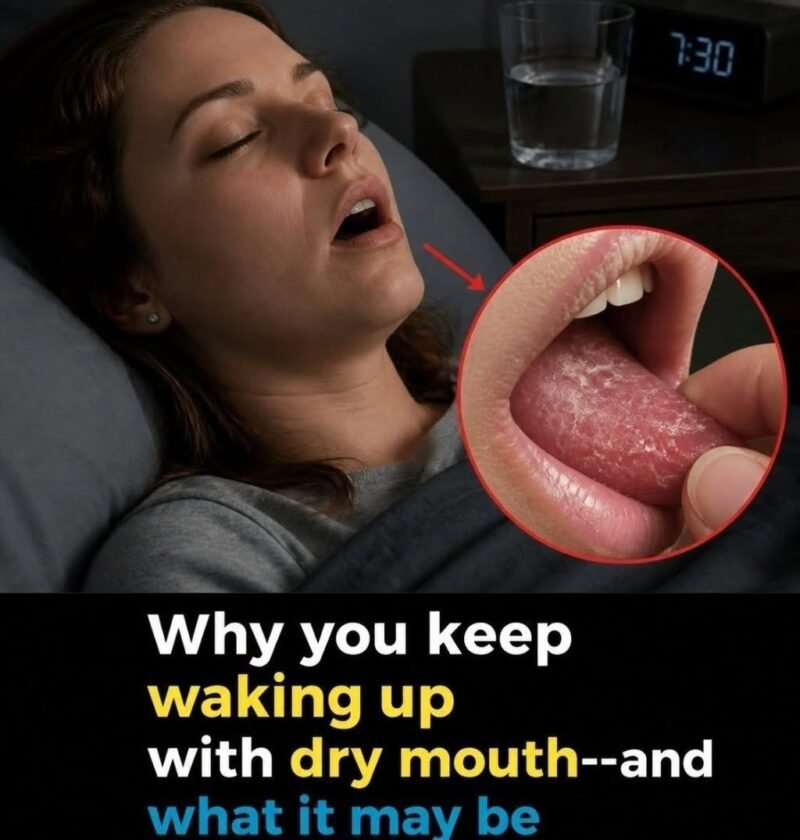
Mouth breathing during sleep: Nasal congestion from allergies, a cold, or a deviated septum forces you to breathe through your mouth, rapidly drying out oral tissues.
-
Snoring or obstructive sleep apnea: Frequent pauses in breathing and open-mouth snoring evaporate saliva overnight and often leave you waking up tired or with a morning headache.
-
Mild dehydration: Going to bed under-hydrated, drinking alcohol or caffeine late in the day, or sleeping in a warm, dry room reduces saliva production.
-
Medications: Hundreds of prescription and over-the-counter drugs list dry mouth as a side effect—most commonly antihistamines, decongestants, antidepressants, blood pressure drugs, and muscle relaxants.
-
Underlying medical conditions: Poorly controlled diabetes, , or acid reflux reaching the throat can trigger persistent morning dryness.
Simple Fixes to Try Tonight
-
Sip water before bed and keep a glass nearby: Focus on steady hydration throughout the day rather than chugging a large amount right before sleep.
-
Clear nasal passages: Use a saline nasal spray or rinse before bed if congestion forces mouth breathing.
-
Add moisture to bedroom air: Run a cool-mist humidifier, especially when indoor heating or air conditioning dries out the room.
-
Avoid evening triggers: Cut back on alcohol, caffeine, tobacco, and salty snacks within a few hours of bedtime.
-
Protect your teeth: Brush with fluoride toothpaste and use an alcohol-free moisturizing mouthwash, because chronic dry mouth increases cavity risk.
When to See a Doctor or Dentist
-
Dryness lasts more than a couple of weeks despite basic changes.
-
You also notice loud snoring, gasping, or heavy daytime fatigue (signs of sleep apnea).
-
You experience excessive thirst, frequent urination, dry eyes, or trouble swallowing.