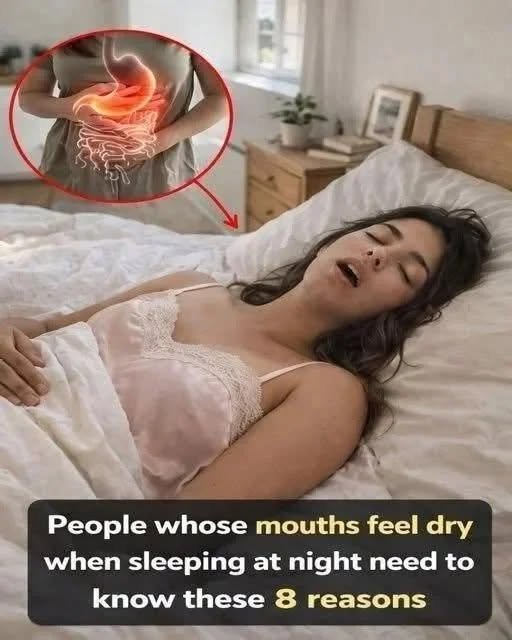
8 Common Reasons You Wake Up With a Dry Mouth
-
Nighttime mouth breathing or nasal congestion: When allergies, a cold, sinus swelling, or a deviated septum blocks your nose, you naturally switch to breathing through your mouth—rapidly evaporating moisture from your tongue, lips, and gums.
-
Snoring or obstructive sleep apnea (OSA): Snoring and sleep-disordered breathing often involve open-mouth breathing and heavier airflow across oral tissues. Waking up with a dry mouth alongside loud snoring, gasping, morning headaches, or daytime exhaustion is a classic clue worth checking for sleep apnea.
-
Medications (prescription or over-the-counter): Hundreds of drugs reduce saliva flow. Common culprits include antihistamines, decongestants, certain antidepressants and anti-anxiety medications, blood pressure drugs, muscle relaxants, bladder/anticholinergic drugs, and some pain medications—and taking several together compounds the effect.
-
Dry bedroom air, fans, or heating/AC: Low humidity from indoor heating, air conditioning, dry climates, or a fan blowing directly across your face pulls moisture out of your mouth and throat overnight.
-
Mild dehydration, alcohol, caffeine, or tobacco: Not drinking enough fluids during the day, having alcohol or heavy caffeine in the evening, or smoking/using tobacco/cannabis can dry out oral tissues and reduce saliva output.
-
CPAP therapy (if you already use a machine): If you use continuous positive airway pressure for sleep apnea, air leaks around the mask or unheated/dry air can dry out your mouth—often improved by adjusting mask fit or using a heated humidifier.
-
Blood sugar shifts or diabetes: Elevated or fluctuating blood sugar can contribute to fluid shifts, nighttime thirst, and dry mouth.
-
Autoimmune, thyroid, or salivary gland conditions (and aging): Conditions such as Sjögren’s syndrome (which targets tear and saliva glands), hypothyroidism, nerve changes, or prior head-and-neck radiation can lower saliva production. Dry mouth also becomes more common with age—largely because older adults take more medications and manage more chronic conditions.
Practical Steps to Cut Down on Nighttime Dryness
| Adjustment | What to Do | Why It Helps |
| Support nasal breathing | Address stuffiness with saline sprays/rinses or allergy care; sleep on your side rather than flat on your back if congestion/snoring contributes | Keeps airflow through the nose instead of drying an open mouth |
| Improve room moisture & airflow | Run a cool-mist humidifier in the bedroom and avoid having a fan blow straight onto your face | Slows moisture evaporation from lips and oral linings overnight |
| Sip fluids & watch evening triggers | Stay hydrated across the day, keep water by your bed, and cut back on alcohol, tobacco, and late caffeine | Prevents added dehydration and tissue irritation |
| Protect teeth & gums | Brush twice daily with fluoride toothpaste, use alcohol-free mouthwash, and ask a dentist or pharmacist about saliva substitutes or xylitol lozenges/gels if needed | Alcohol-based rinses worsen dryness, while saliva-supporting care protects enamel |
| Review medications safely | Check medicine leaflets or ask a pharmacist/doctor if a current drug causes dry mouth—never stop a prescribed medication on your own | Sometimes timing adjustments or alternatives ease side effects |