What Chin Hair Most Often Means
-
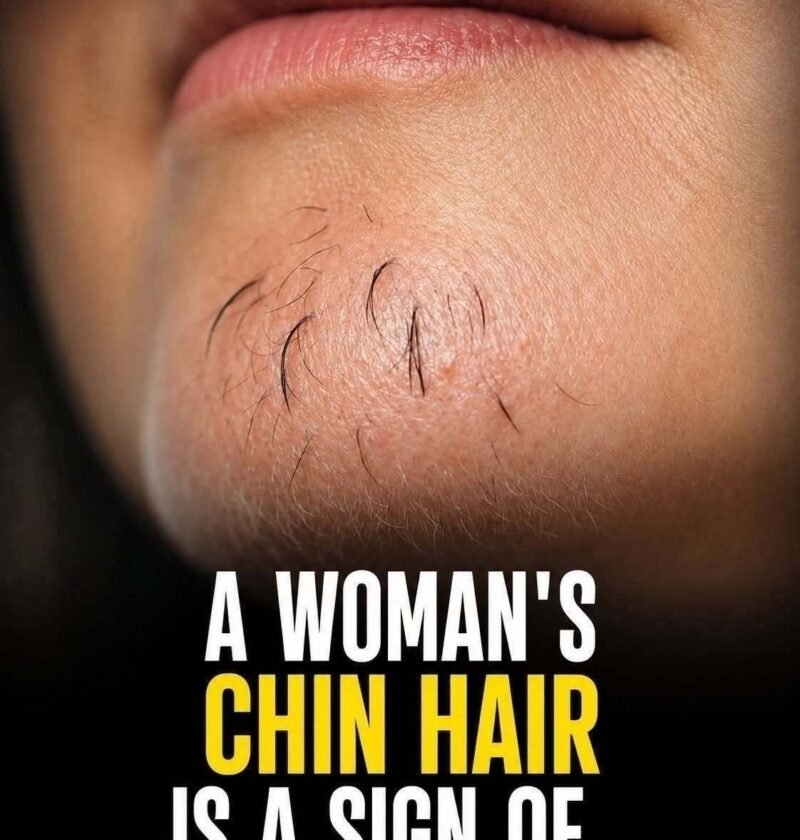
Genetics and normal follicle sensitivity: Some women simply inherit thicker or darker facial hair patterns from either side of the family, or have chin follicles that are naturally more responsive to normal circulating androgens.
-
Age, perimenopause, and menopause: As estrogen levels fluctuate and decline around perimenopause and menopause, the relative balance shifts slightly toward androgens, making a few coarse chin hairs very common as women get older.
-
Polycystic ovary syndrome (PCOS): PCOS is one of the most common medical causes of hirsutism in women of reproductive age. It often shows up alongside irregular or missed periods, acne, weight changes, or fertility challenges.
-
Other hormonal or medication factors: Less commonly, increased facial hair can tie into thyroid imbalances, elevated prolactin, adrenal conditions, insulin resistance, or medications that affect hormones (such as certain progestins, testosterone/anabolic steroids, or some seizure/blood-pressure drugs).
When It Makes Sense to Check In With a Doctor
| Pattern You Notice | Typical Meaning | Practical Next Step |
| One or a few isolated chin hairs, especially with age or family history | Often normal variation or menopausal shift | Manage cosmetically if desired; no urgent testing needed unless other symptoms appear |
| New or worsening coarse hair on chin, jawline, chest, or abdomen + irregular periods | Possible PCOS or hormonal imbalance | Ask a doctor or gynecologist about hormone/metabolic evaluation |
| Sudden, rapid, or severe virilization (fast-spreading coarse hair, deepening voice, quick muscle/clitoral changes) | Rare androgen-producing tumor or severe endocrine cause | Seek prompt medical evaluation |
Safe Ways to Manage Unwanted Chin Hair
-
Tweezing, trimming, or threading: Fine for a few hairs, though plucking can sometimes trigger ingrown hairs or mild inflammation in sensitive skin.
-
Shaving or depilatory creams: Shaving does not make hair grow back thicker or faster (it only leaves a blunt tip rather than a tapered natural end); test depilatory creams first if your skin is sensitive.
-
Electrolysis or laser hair removal: Longer-lasting reduction options—best performed by qualified professionals, especially on darker skin tones where laser settings must be carefully chosen to protect pigment.