🩸 7 “Blood-Thinning” Foods — What They Really Do
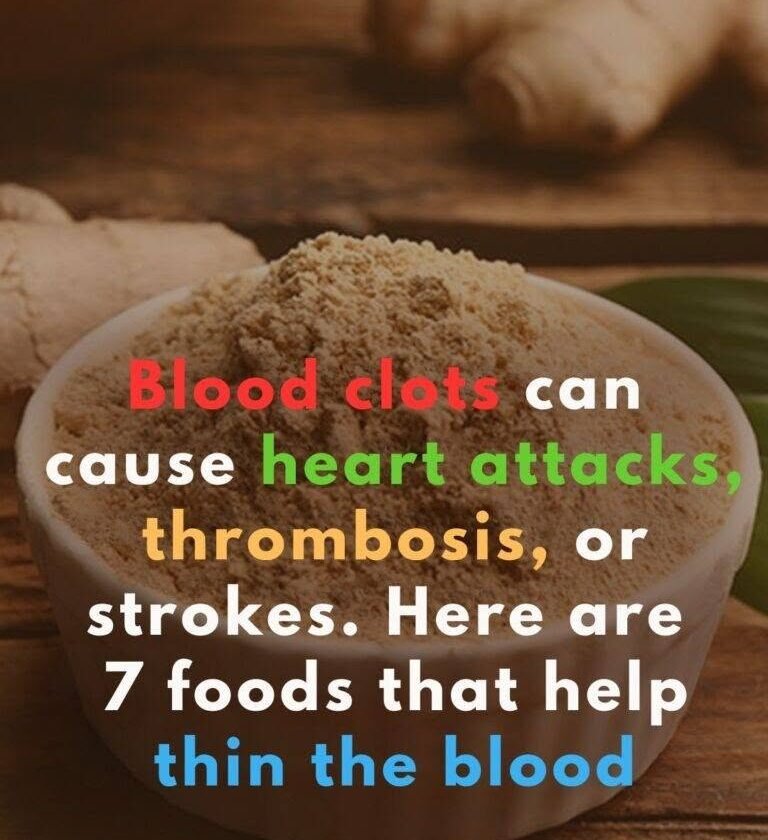
The phrase “blood-thinning foods” is misleading. Foods don’t thin blood in the same predictable way as medicines such as warfarin or apixaban. However, some foods contain compounds that can modestly affect platelet activity or blood clotting.
Seven commonly discussed foods are:
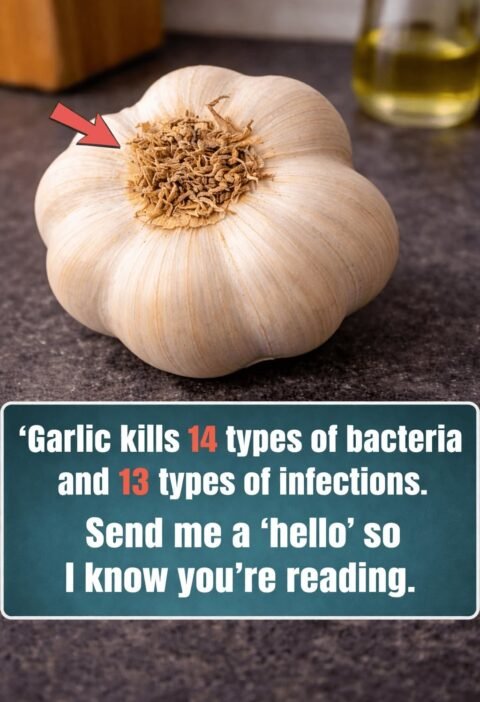
- 🧄 Garlic — contains compounds that may affect platelet aggregation, particularly in concentrated forms.
- 🫚 Ginger — laboratory and limited human research suggests possible effects on platelet function.
- 🌿 Turmeric — curcumin has been studied for effects on inflammation and platelet activity, but food amounts aren’t equivalent to anticoagulant medication.
- 🐟 Fatty fish — salmon, sardines, and mackerel provide omega-3 fatty acids, which have cardiovascular benefits and modest effects on platelet function.
- 🍓 Berries — contain polyphenols that may support cardiovascular health, although they aren’t a substitute for blood-thinning medication.
- 🍇 Grapes — provide polyphenols such as resveratrol; evidence that ordinary servings meaningfully prevent blood clots is limited.
- 🍫 Cocoa/dark chocolate — cocoa flavanols have been studied for vascular effects, but chocolate shouldn’t be considered an anticoagulant.
⚠️ Especially important if you take blood thinners
If you’re taking warfarin, apixaban, rivaroxaban, dabigatran, clopidogrel, aspirin, or another medication affecting clotting, don’t deliberately consume large amounts of these foods or concentrated supplements to “thin your blood.”
In particular, supplements and extracts of garlic, ginger, turmeric, or fish oil can have stronger effects than normal food portions and may increase bleeding risk in some circumstances.
With warfarin, consistency in vitamin-K intake is important. Foods such as spinach, kale, and other leafy greens aren’t inherently forbidden, but sudden major changes in how much you eat can affect anticoagulation.
Bottom line: These foods can be part of a heart-healthy diet, but none should be used as a replacement for prescribed anticoagulants or antiplatelet drugs. If you’re taking a blood thinner and considering a supplement, check with your pharmacist or doctor first.