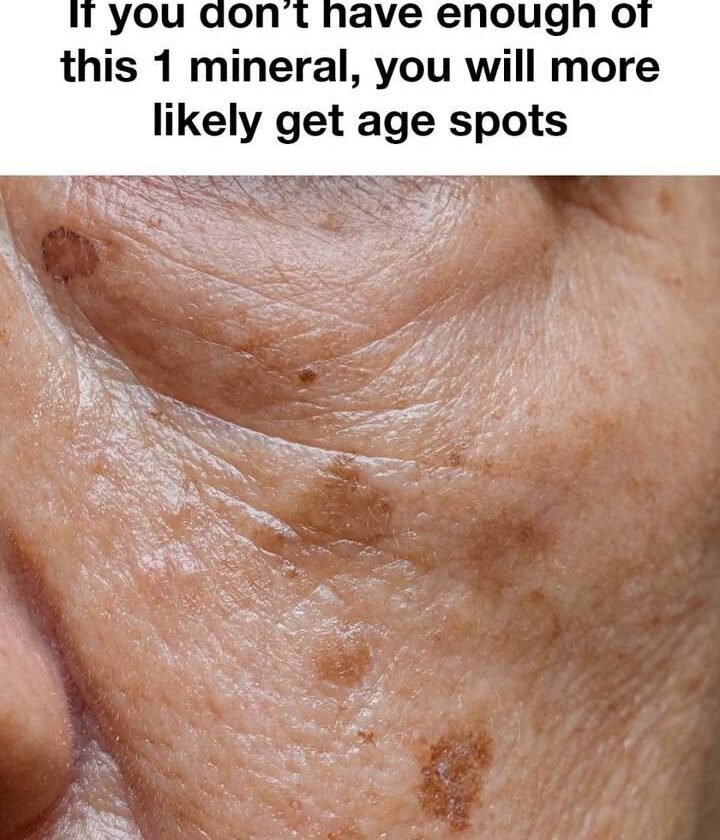
How Age Spots Form
Selenium’s Protective Mechanisms
-
Neutralizing Free Radicals: Selenium is an essential cofactor for , which detoxifies hydrogen peroxide and lipid peroxides generated by UV exposure before they trigger excess melanin synthesis.
-
Regulating Skin Inflammation: Selenoproteins help modulate inflammatory pathways and prostanoid metabolism. Chronic low-grade UV inflammation stimulates melanocyte activity; keeping inflammation in check reduces post-inflammatory and sun-induced darkening.
-
Supporting DNA and Protein Repair: Selenium assists in protein folding and cellular DNA protection, helping skin recover faster after sun exposure and slowing markers of cellular aging such as telomere shortening.
-
Synergizing with Other Antioxidants: Selenium works alongside vitamin E (which protects lipid cell membranes) and vitamin C (which regenerates vitamin E and directly inhibits melanin-producing enzymes) to create a broader defense network against photoaging.
Dietary Sources vs. Supplementation
| Source Category | Examples | Practical Notes |
| Brazil Nuts | Raw or roasted Brazil nuts | Highest natural concentration; just 1–2 nuts a few times per week typically meets needs. |
| Seafood | Tuna, sardines, halibut, shrimp | Rich in bioavailable selenium alongside anti-inflammatory omega-3 fatty acids. |
| Meats & Eggs | Beef, chicken, whole eggs | Reliable everyday dietary contributors. |
| Plant & Dairy | Whole grains, legumes, mushrooms, yogurt | Content varies depending on the selenium richness of the soil where crops were grown. |
Limitations and Safety Considerations
-
Prevention, Not Removal: Dietary or supplemental selenium helps prevent new oxidative damage, but it will not fade established age spots. Existing spots respond better to broad-spectrum sunscreen (to stop ongoing UV triggers) and targeted topicals such as retinoids, vitamin C, or azelaic acid.
-
Toxicity Risk: Selenium has a narrow safe intake window. Excess intake—often from high-dose supplements or eating too many Brazil nuts daily—can cause selenosis, leading to brittle nails, hair loss, gastrointestinal upset, and skin rashes. Food-first intake paired with daily sun protection remains the safest strategy.