Blood sugar fluctuations and nerve or fluid changes caused by diabetes often become most noticeable at night, when the body is at rest and daytime distractions fade. Both high blood sugar (hyperglycemia) and low blood sugar (hypoglycemia) can produce distinct nighttime signs.
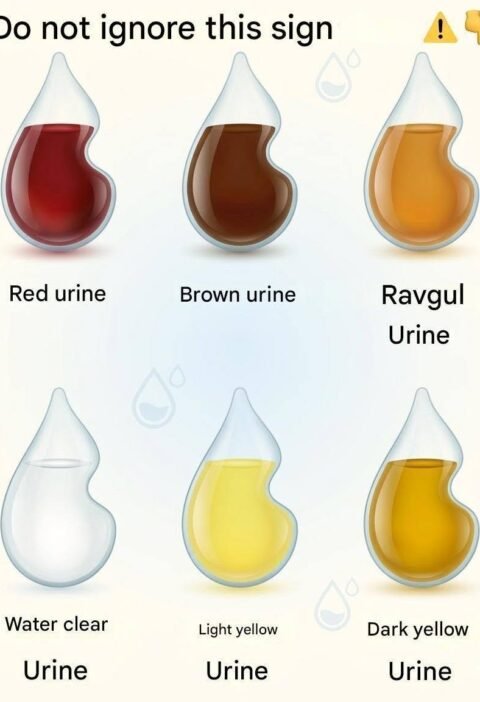
1. Frequent Nighttime Urination (Nocturia)
When blood glucose levels stay elevated overnight, the kidneys work overtime to filter and flush excess sugar out through urine, pulling extra fluid from your tissues along with it. Waking up two or more times a night to urinate—especially if it is a new pattern—is one of the most common early signs of uncontrolled or undiagnosed diabetes.
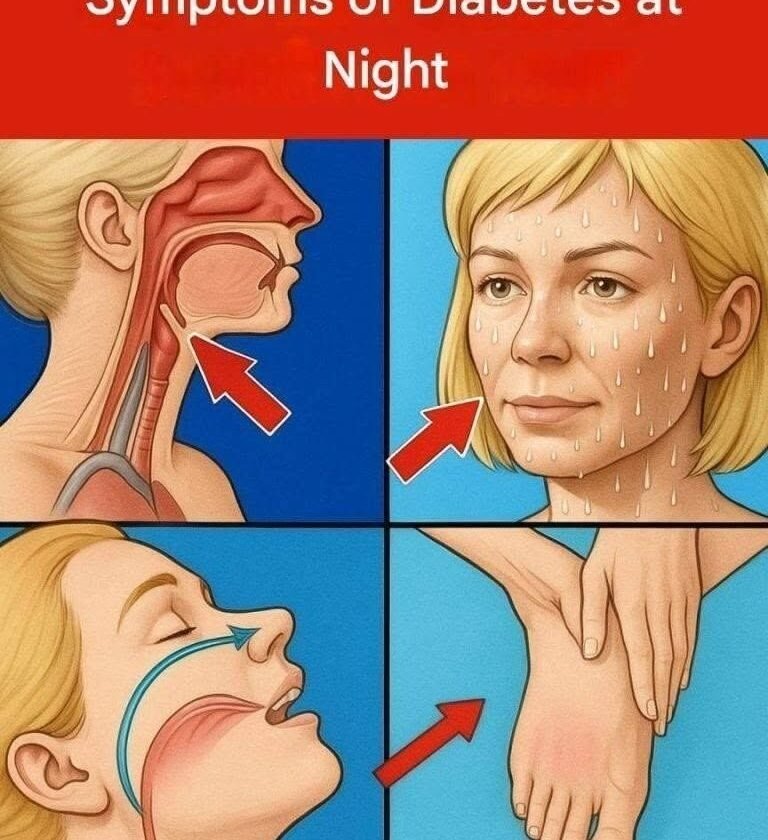
2. Waking Up Extremely Thirsty or With a Dry Mouth
Because nighttime urination depletes your body’s fluids, you may wake up feeling parched, with a dry mouth or throat, and keep a glass of water by the bed. Drinking large amounts of water late at night then feeds back into more frequent bathroom trips.
3. Night Sweats and Restless Sleep (Nocturnal Hypoglycemia)
In people already taking insulin or certain blood-sugar-lowering medications (such as sulfonylureas), blood sugar can drop too low during sleep. This triggers a surge of adrenaline, causing:
-
Waking up drenched in sweat (damp sheets or sleepwear)
-
Vivid nightmares or sudden, restless awakenings
-
A racing heartbeat, shakiness, or waking up with a headache and morning fatigue
4. Tingling, Burning, or “Pins and Needles” in the Feet
Elevated blood sugar over time can irritate or damage peripheral nerves (diabetic peripheral neuropathy). These sensations—numbness, burning, tingling, or sharp shooting pains in the toes and feet—often feel noticeably worse at night when lying quietly in bed, sometimes making even the weight of a bedsheet uncomfortable.
5. Nighttime Leg Cramps or Restless Legs
Dehydration, electrolyte shifts from frequent urination, and impaired circulation or nerve signaling can trigger painful calf or foot cramps during sleep, or an irresistible urge to move your legs when trying to fall asleep.
What to Do If You Notice These Signs
-
If you have not been diagnosed with diabetes: A simple blood test—such as a fasting plasma glucose test or an HbA1c test—can quickly check whether elevated blood sugar is behind these symptoms.
-
If you already manage diabetes: Keep a brief log of nighttime awakenings, morning blood sugar readings, and evening meals or medication doses to review with your doctor—do not adjust insulin or prescription doses on your own, as evening medication timing or snacks can often be safely tailored for you.
-
Seek prompt medical evaluation if nighttime thirst and urination are accompanied by nausea, vomiting, abdominal pain, rapid breathing, or fruity-smelling breath, as these can signal diabetic ketoacidosis (DKA), which requires urgent care.