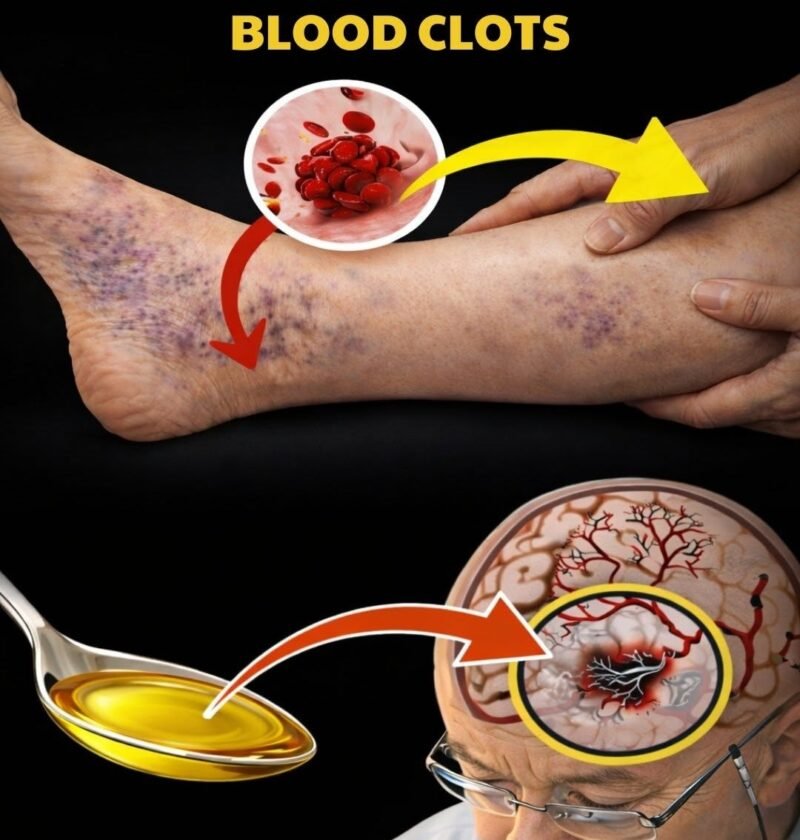
When looking at cardiovascular wellness, maintaining healthy blood flow and preventing excessive platelet aggregation (clumping) is key. While no fruit can replace medical blood thinners or serve as a standalone treatment for clotting disorders, incorporating certain whole fruits into an anti-inflammatory diet can naturally support vascular health, encourage smooth circulation, and assist your body’s natural management processes.
Here are 8 fruits packed with specific vitamins, antioxidants, and plant compounds that help promote healthy blood flow and manage clot risks.
1. Pomegranates
-
The Benefit: Pomegranates are exceptionally rich in polyphenols and nitrates. Nitrates help dilate blood vessels and promote the production of nitric oxide, which dramatically improves blood fluidity and overall circulation.
-
How it helps: By keeping blood moving efficiently and reducing arterial plaque buildup, pomegranate helps decrease the conditions that lead to abnormal thrombosis (clotting).
2. Blueberries
-
The Benefit: Blueberries are loaded with anthocyanins (the pigment that gives them their deep blue color) and natural salicylates.
-
How it helps: Salicylates possess mild antiplatelet properties—similar to the active compounds in aspirin—which help discourage platelets from sticking together and forming unwanted clots.
3. Citrus Fruits (Oranges, Grapefruits, and Lemons)
-
The Benefit: Citrus fruits are powerhouses of vitamin C and specialized flavonoids like hesperidin.
-
How it helps: These compounds strengthen blood vessel walls, reduce systemic inflammation, and improve endothelial function (the health of the inner lining of your blood vessels), which naturally supports healthy, unobstructed blood flow.
4. Grapes (Particularly Red and Purple)
-
The Benefit: Dark-colored grapes contain high concentrations of resveratrol, quercetin, and various flavonoids.
-
How it helps: Resveratrol helps protect the cardiovascular system by inhibiting the oxidation of LDL (“bad”) cholesterol and preventing platelets from excessively aggregating, keeping blood slick and mobile.
5. Kiwifruit
-
The Benefit: Studies suggest that eating kiwi regularly can have a positive regulatory effect on blood lipids and platelet activity.
-
How it helps: Kiwi helps lower blood stickiness by naturally reducing excessive platelet clumping without overly compromising the body’s natural ability to heal wounds.
6. Watermelon
-
The Benefit: Watermelon is one of the best dietary sources of citrulline, an amino acid that your body converts into nitric oxide.
-
How it helps: Nitric oxide relaxes and widens blood vessels, lowering blood pressure and ensuring that blood circulates smoothly without putting undue stress on your cardiovascular system.
7. Apples
-
The Benefit: Apples are rich in a soluble fiber called pectin and a potent antioxidant flavonoid called quercetin.
-
How it helps: Pectin helps manage cholesterol levels, while quercetin acts as an anti-inflammatory agent that protects arterial linings from damage and oxidative stress.
8. Cherries (Tart or Sweet)
-
The Benefit: Cherries contain abundant amounts of polyphenols and antioxidants, particularly anthocyanins.
-
How it helps: They help combat oxidative stress and lower overall inflammation in the vascular system, supporting the elasticity and flexibility of blood vessels so blood flows unimpeded.
A Vital Medical Note on Food and Blood Thinners
If you have been diagnosed with a clotting disorder, deep vein thrombosis (DVT), or are prescribed blood-thinning medications (like Warfarin/Coumadin), it is crucial to consult your doctor before making sudden, major changes to your fruit or vegetable intake. Some fruits and heavy antioxidant supplements can interact with medications, altering how your blood clots.
Are you looking to support your cardiovascular health generally, or are you managing a specific circulation concern?