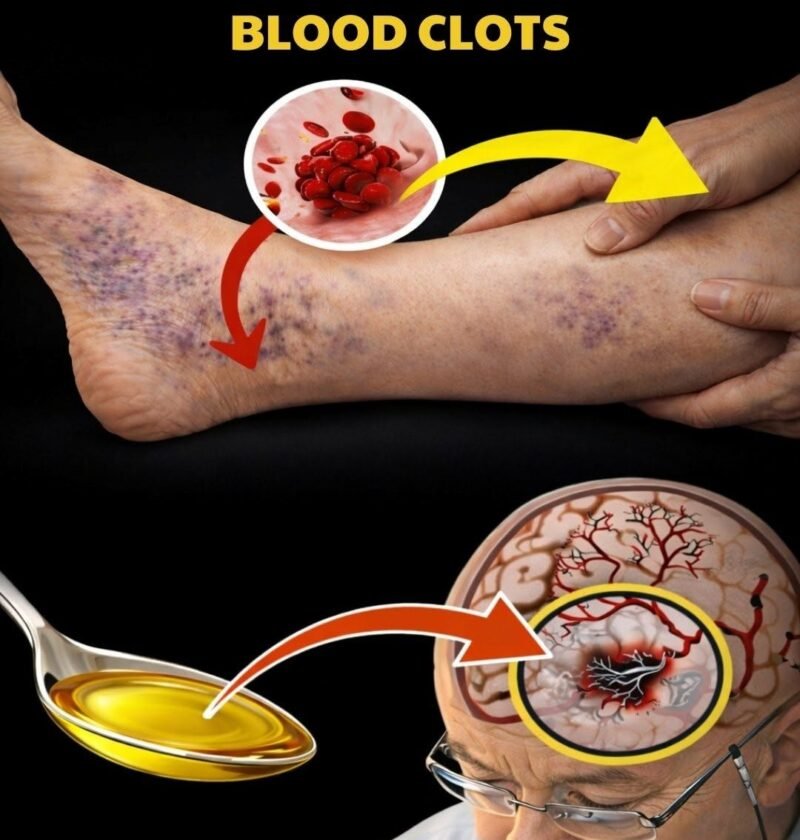
Top 8 Fruits That May Help Support Your Body’s Natural Blood Clot Management
Your body needs blood clotting to stop bleeding when you get injured. At the same time, it must regulate clot formation and break down clots when they are no longer needed. This balance involves platelets, clotting proteins, blood vessels, and the body’s natural clot-dissolving system.
No fruit has been proven to prevent or dissolve dangerous blood clots on its own. However, fruits can support overall cardiovascular health by providing fiber, antioxidants, potassium, vitamin C, and other beneficial nutrients.
8 fruits worth including in a balanced diet

1. Berries
Examples: Blueberries, strawberries, raspberries and blackberries.
Berries contain anthocyanins and other polyphenols that may support blood vessel function and help regulate platelet activity. Research suggests possible cardiovascular benefits, although evidence that berries prevent harmful clots in people is limited.
Try: A small bowl of fresh or frozen berries.

2. Grapes
Grapes contain flavonoids and other polyphenols, particularly in darker varieties. These compounds are being studied for their potential effects on platelet aggregation, inflammation and blood vessel health.
Try: A handful of whole grapes instead of sugary snacks.

3. Pomegranate
Pomegranate is rich in polyphenol antioxidants that may help protect blood vessels and support healthy blood pressure. Some laboratory and early clinical findings suggest possible effects on platelet function, but it is not an established treatment for blood clots.
Try: Half a cup of fresh pomegranate seeds.

4. Oranges
Oranges provide vitamin C, which supports collagen formation and the normal structure of blood vessels. Their flavonoids may also contribute to cardiovascular health. Vitamin C does not directly dissolve blood clots.
Try: One whole orange, which also provides dietary fiber.

5. Kiwi
Kiwi is rich in vitamin C and contains other antioxidants. Some research has investigated whether kiwi consumption influences platelet aggregation and cardiovascular markers, but it has not been proven to prevent or treat dangerous clots.
Try: One or two kiwis as part of your daily