🌿 8 plants worth considering
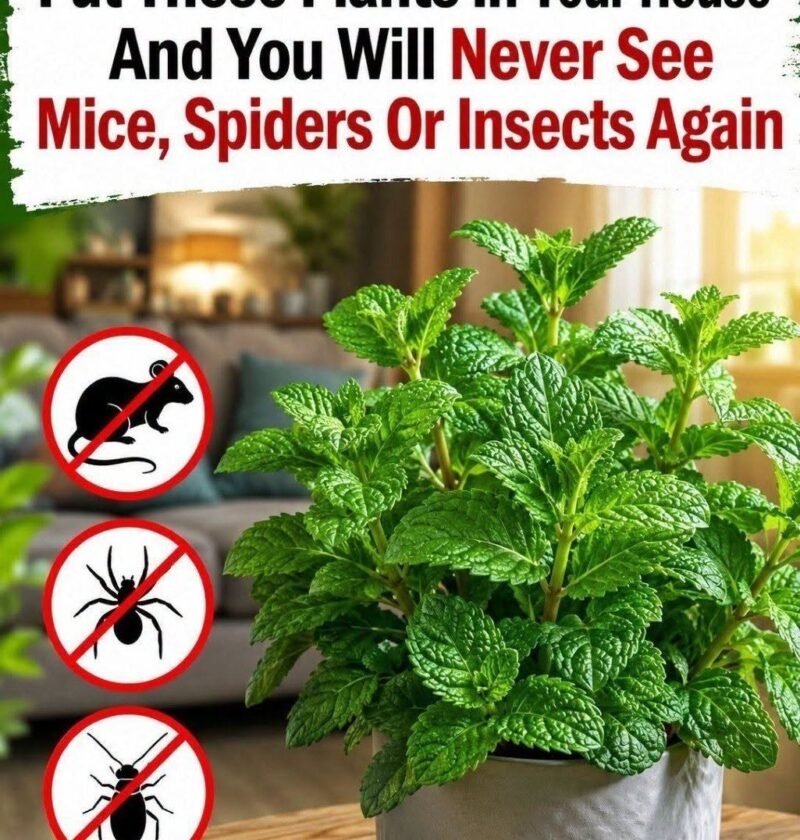
- Peppermint — Its strong scent may help discourage ants, spiders and some other insects. Plant it in containers because it spreads aggressively.
- Lavender — Pleasant to people but its fragrance can be unappealing to some mosquitoes and moths. It does best in plenty of sun and well-drained soil.
- Basil — A useful kitchen herb whose aroma may help deter some flying insects. Keep it sunny and harvest regularly.
- Rosemary — Its aromatic oils can discourage certain insects, and the plant is relatively drought-tolerant once established.
- Citronella-scented geranium — Often marketed as a “mosquito plant.” Its scent may be insect-repellent, but simply having the plant nearby doesn’t provide the same protection as a tested mosquito repellent.
- Marigolds — Their scent and compounds can affect some insects, although claims that they universally repel garden pests are exaggerated.
- Mint — Strongly scented and potentially useful around areas where ants and other insects are unwanted. Again, grow it in containers to prevent it taking over.
- Catnip — Research has found that compounds in catnip can repel mosquitoes, although planting catnip alone won’t create a mosquito-proof yard.
🐭 What about mice and spiders?
This is where viral “pest-repelling plant” lists often go too far.
Plants generally aren’t a reliable way to get rid of mice. For mice, sealing holes and gaps, removing accessible food, and using appropriate traps are much more effective.
Likewise, planting mint or lavender won’t reliably eliminate spiders. Reducing insects—the spiders’ food source—and sealing cracks and openings is usually more useful.
The best strategy
Think of aromatic plants as one layer of pest management, not a magic barrier:
Plants + clean surroundings + sealed entry points + intact screens + removal of standing water will generally work much better than plants alone.
And if mosquitoes are your main problem, eliminating standing water around the home is particularly important because that’s where they can breed.