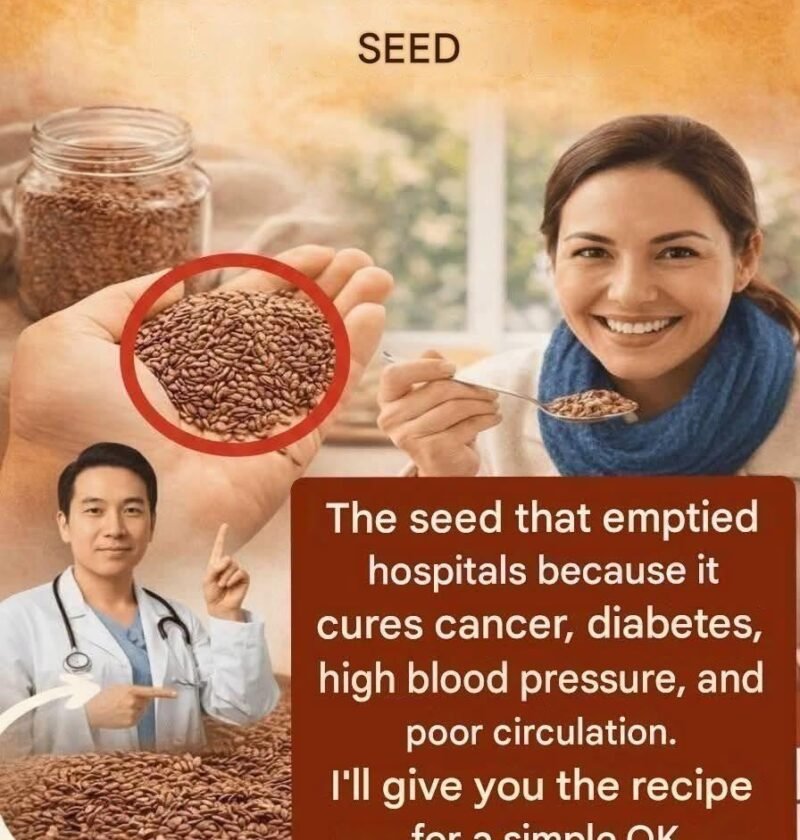
What Seeds Actually Do Well (and Where Hype Goes Too Far)
-
Flaxseeds & chia seeds: Rich in soluble and insoluble fiber, alpha-linolenic acid (ALA, a plant omega-3), and lignans (polyphenols in flax). Regular intake supports bowel regularity, feeds beneficial gut bacteria, and can modestly help LDL cholesterol, blood pressure, and post-meal blood sugar—though lab or animal studies on compounds like lignans do not mean seeds cure cancer in humans.
-
Pumpkin seeds & sunflower seeds: Provide magnesium, zinc, vitamin E, phytosterols, and unsaturated fats. Magnesium and unsaturated fats support blood pressure, vascular function, and metabolic health, while zinc and vitamin E support normal immune and antioxidant defenses.
-
Sesame seeds & nigella (kalonji) seeds: Contain sesamin/sesamol (in sesame) or thymoquinone (studied largely in cell/animal models and small trials for nigella). While culinary use adds flavor and helpful plant compounds, claims that any seed “destroys” deadly diseases outpace clinical evidence.
Reality Check: Hype vs. Evidence
| Headline Claim | What the Evidence Actually Shows |
| “Destroys cancer or fatal disease” | No food cures or replaces oncology, cardiology, or medical care; diets high in fiber and whole plant foods help support risk reduction and overall health |
| “Cleanses arteries overnight” | Seeds won’t dissolve existing plaques quickly, but swapping saturated fats for unsaturated seed/nut fats and getting more soluble fiber supports healthier lipids over time |
| “More is always better” | Seeds are calorie-dense and high in fiber—sudden large amounts can cause bloating, gas, or digestive upset if fluid intake is low |
Practical Ways to Eat Seeds Safely
-
Grind flaxseeds for better absorption: Whole flaxseeds often pass through undigested; ground flaxseed makes nutrients much more accessible.
-
Start small and drink water: Begin with 1–2 tablespoons a day mixed into yogurt, oatmeal, smoothies, salads, or baking, and drink plenty of water as you increase fiber.
-
Watch choking and medical interactions: Soak chia seeds thoroughly before eating (dry chia can swell and feel uncomfortable to swallow), and check with a doctor or pharmacist if you take blood thinners, blood pressure/blood sugar medications, or are undergoing active cancer treatment.