Why “Miracle Vitamin” Claims for Swollen Ankles Fall Short
-
No Vitamin Acts as a Safe, Fast Diuretic for Edema: While viral posts often single out vitamin B6, vitamin D, vitamin C, or vitamin E, there is no strong clinical evidence that taking a vitamin supplement quickly drains fluid edema. High-dose vitamin B6 over time can even cause nerve irritation/neuropathy, and high-dose vitamin E can increase bleeding risk or interact with medications.
-
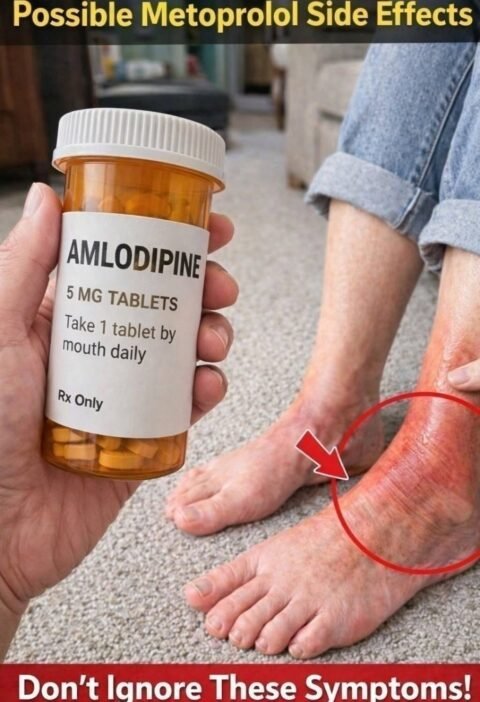
Underlying Causes Need Targeted Care: Mild end-of-day puffiness after long sitting or standing—or during warm weather or pregnancy—is very different from swelling caused by chronic venous insufficiency, heart failure, kidney or liver conditions, lymphedema, or blood-pressure/pain medications (such as calcium channel blockers or NSAIDs).
Safe Everyday Habits That Help Mild Ankle Swelling
-
Elevate Your Legs Above Heart Level: Prop your feet up on pillows while sitting or lying down for 20–30 minutes a few times a day so gravity helps fluid drain back toward your central circulation.
-
Keep Moving & Flex Your Ankles: Avoid standing or sitting motionless for long stretches; take short walking breaks and do gentle ankle pumps/circles every hour to activate your calf-muscle pump.
-
Watch Excess Sodium: Cutting back on very salty packaged foods, pickles, processed meats, and excess table salt helps reduce fluid retention—especially if you are prone to puffiness or high blood pressure.
-
Ask a Doctor About Compression Socks: Graduated compression stockings can help mild venous swelling during the day, provided a doctor checks your circulation first (compression is not safe for everyone, such as people with significant peripheral artery disease).
When to Seek Urgent vs. Routine Medical Care
-
Emergency Care (
<1 hour): Seek immediate emergency medical attention (call 1122 in Pakistan or go to the nearest emergency hospital) if ankle or leg swelling comes with shortness of breath, chest pain or pressure, sudden lightheadedness/fainting, coughing up blood, or sudden swelling in one leg with pain, warmth, or redness (which can signal a blood clot/DVT or pulmonary embolism). -
Routine Doctor Visit (Within 2–7 Days): Schedule an evaluation if ankle swelling is new, persistent over several days, present in both ankles, or occurs alongside weight gain from fluid, puffiness around the eyes, fatigue, or new medications—a doctor can check blood pressure, heart/kidney/liver function, and leg veins safely without guessing with supplements.