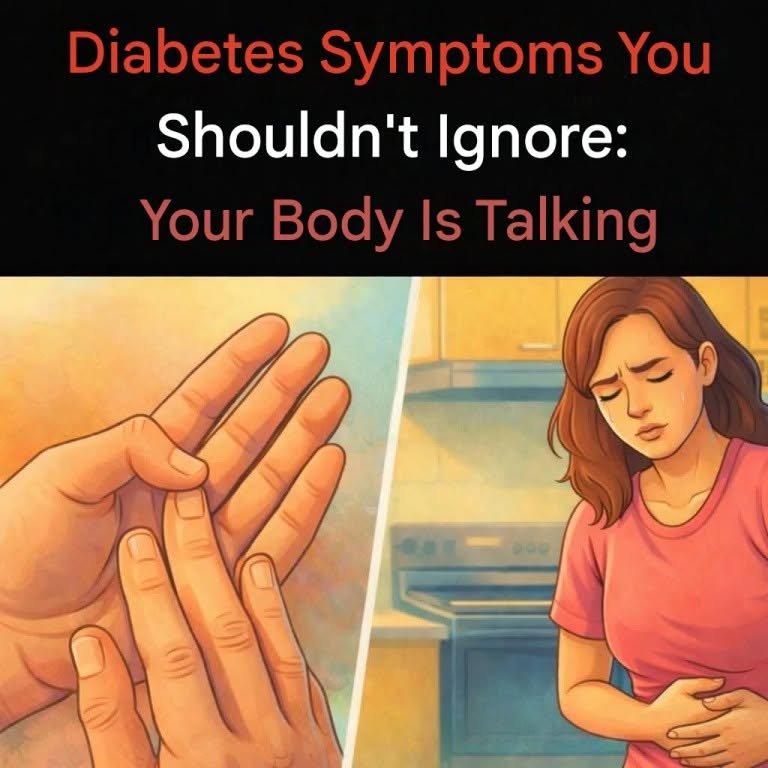
The Most Surprising Symptoms of Diabetes: When the Body
Diabetes
Sounds the Alarm
Diabetes doesn’t always announce itself with obvious symptoms. In fact, type 2 diabetes can develop gradually, and some people have few or no symptoms for years. CDC+1
Some of the body’s less obvious warning signs include:
- Constant thirst and frequent urination: Excess glucose in the blood can cause the kidneys to pull more water into the urine, leaving you thirsty and dehydrated. Mayo Clinic
- Unexplained weight loss: Losing weight without changing your diet or activity level can occur when the body can’t effectively use glucose for energy. NIDDK
- Blurry vision: High blood sugar can temporarily alter the eye’s ability to focus; persistent diabetes can also damage the retina over time. CDC+1
- Cuts that heal unusually slowly: Diabetes can interfere with healing, making sores—particularly on the feet—more difficult to resolve. CDC
- Repeated infections: Frequent urinary, skin, or yeast infections can sometimes be a clue that blood sugar is running high. NIDDK
- Tingling or numbness: Pins-and-needles, burning, pain, or reduced sensation in the feet or hands can occur when diabetes affects nerves. CDC
- Unusual fatigue: High blood sugar can interfere with the body’s ability to use glucose efficiently, while dehydration from frequent urination can add to tiredness. Mayo Clinic
- Unexpected hunger or mood changes: Increased hunger and irritability can also occur with diabetes. CDC
When it’s an emergency
Symptoms such as vomiting, abdominal pain, deep or rapid breathing, confusion, extreme weakness, or fruity-smelling breath can indicate diabetic ketoacidosis (DKA), a potentially life-threatening emergency. CDC
Having one of these symptoms doesn’t prove you have diabetes—many other conditions can cause them. But a combination of symptoms, especially increased thirst, frequent urination, unexplained weight loss, fatigue, or blurred vision, is a good reason to ask a healthcare professional about blood-glucose testing. NIDDK
If you’d like, I can also turn this into a catchy health article/social-media post with a stronger “body sounds the alarm” style.