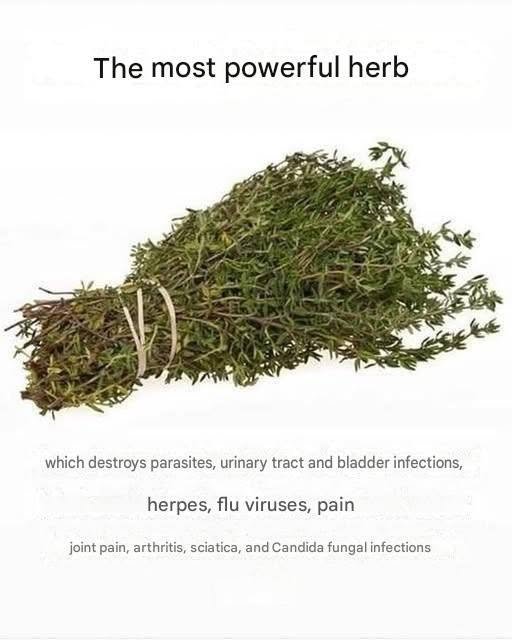
When looking at traditional herbalism and modern botanical research, certain potent herbs are frequently highlighted for their powerful antimicrobial, anti-parasitic, and urinary-tract-supporting properties. Because the terms “parasites” and “urinary tract” often point to broad-spectrum microbial or cleansing protocols, herbalists typically look to a few heavy-hitting plants rather than a single cure-all.
Here are the most notable, research-backed herbs traditionally used to target internal invaders and support urinary health:
—
### 1. For Internal Parasites: Wormwood & Black Walnut Hull
* **The Herbs:** **Sweet Wormwood** (*Artemisia annua*) and **Black Walnut Hull** (*Juglans nigra*), frequently paired with **Cloves**.
* **How They Work:**
* *Wormwood* contains an active compound called artemisinin, which reacts with iron inside parasite cells to generate damaging free radicals.
* *Black Walnut Hulls* contain juglone, a potent naphthoquinone that overwhelms a parasite’s defense systems.
* *Cloves* provide eugenol, which is valued for its ability to target parasite eggs and interrupt their reproductive cycle.
* **Caution:** These are exceptionally potent, concentrated herbs. They are typically used in short-term protocols (parasite cleanses) rather than as daily foods, and should be approached with care or under professional guidance.
—
### 2. For Urinary Tract Health: Uva Ursi (Bearberry)
* **The Herb:** **Uva Ursi** (*Arctostaphylos uva-ursi*).
* **How It Works:** Uva ursi is one of the most famous traditional European herbs for urinary tract infections and bladder support. It contains an active glycoside called **arbutin**. When processed through the liver and eliminated via the urinary tract, arbutin converts into hydroquinone, which exerts a strong antiseptic and antibacterial effect directly on the lining of the urinary tract (particularly against bacteria like *E. coli*).
* **Caution:** Uva ursi is meant strictly for **short-term use** (usually no more than 7 to 10 days at a time) because high doses or long-term use can place stress on the liver and kidneys.
—
### 3. The Broad-Spectrum All-Rounder: Oregano Oil
* **The Herb:** **Oil of Oregano** (*Origanum vulgare*).
* **How It Works:** Oregano oil is rich in powerful volatile phenols, notably **carvacrol** and **thymol**. Research shows these compounds possess robust broad-spectrum antimicrobial properties—meaning they can help combat unwanted bacteria, fungi, yeast (*Candida*), and certain intestinal parasites. Because it is eliminated partly through mucosal membranes and the urinary/digestive systems, it is often marketed as a dual-action cleanser for both gut health and mild urinary tract support.
* **Caution:** Oregano oil is extremely potent and can cause digestive upset if taken undiluted. It should always be diluted in a carrier oil or taken in enteric-coated capsules, and avoided during pregnancy.
—
> **A Note on Safety:** While powerful botanicals have a long history in traditional medicine, potent antimicrobial and anti-parasitic herbs are essentially natural pharmaceuticals. They can interact with prescription medications, affect liver enzymes, or irritate the digestive and urinary tracts if misused. Always consult a healthcare provider or a qualified clinical herbalist before starting a concentrated herbal cleanse or treatment protocol.
Are you looking into natural cleanses for a specific wellness goal, or researching a particular symptom?