🦴 5 Drinks That May Be Harmful to Bone Health
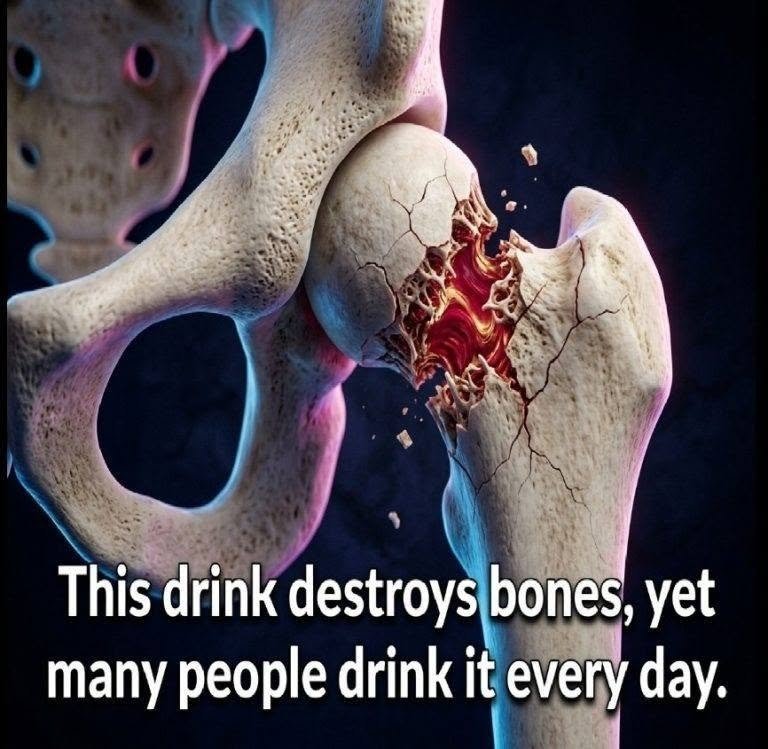
The headline “most harmful” is a little too dramatic. No single drink will suddenly weaken your bones, but certain beverages can contribute to poorer bone health when consumed frequently or in large amounts.
1. 🥤 Cola and other sugary soft drinks
Colas have been associated with lower bone mineral density in some studies. The concern may relate to their caffeine, added sugar, and tendency to replace calcium-rich beverages. Importantly, carbonation itself does not damage bones. (Bone Health & Osteoporosis Foundation)
2. 🍺 Heavy alcohol consumption
Excessive alcohol intake is clearly associated with poorer bone health and a higher risk of osteoporotic fractures. It can also increase the risk of falls. (PubMed)
3. ⚡ Energy drinks
Many energy drinks contain substantial amounts of caffeine and added sugar. Frequent consumption can make it harder to maintain a healthy diet and adequate calcium intake. The issue is primarily the overall nutritional pattern rather than caffeine being a direct “bone destroyer.”
4. ☕ Very large amounts of caffeinated coffee
Caffeine can slightly reduce calcium absorption and increase calcium lost through urine. Moderate coffee consumption isn’t generally considered dangerous for bones, but very high intake may be a concern, particularly when calcium intake is low. (Bone Health & Osteoporosis Foundation)
5. 🧃 Sugary drinks that replace nutritious beverages
Regular consumption of sugar-sweetened beverages—including some sweetened juices and flavored drinks—has been associated with poorer bone-mineral-density measures in observational research. (PubMed)
🥛 What should you drink instead?
For bone health, prioritize water and calcium-rich or calcium-fortified beverages, such as milk or appropriately fortified plant milks. Getting enough calcium and vitamin D is much more important than obsessing over eliminating every caffeinated drink. (Bone Health & Osteoporosis Foundation)
Bottom line: You don’t have to completely give up coffee or occasional soda. The biggest concerns are heavy alcohol intake, frequent sugary/cola beverages, and excessive caffeine—especially when they displace calcium-rich foods and drinks.