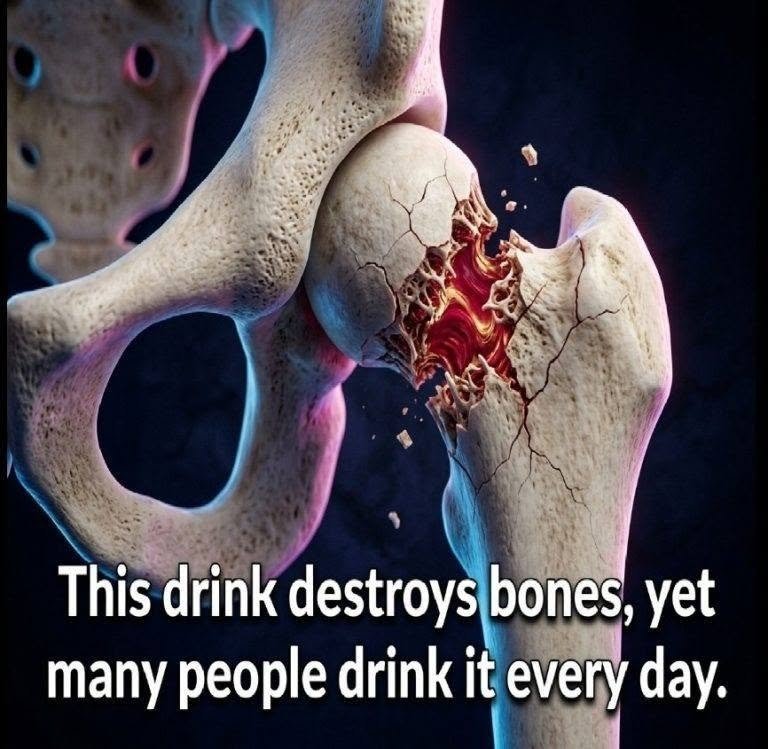
Five drinks that can be problematic for bone health
The headline “five drinks most harmful to your bones” is a little sensational. There isn’t a medically established ranking of exactly five beverages. However, some drinks are worth limiting because of their association with bone loss, inadequate calcium intake, or other risk factors.
Heavy alcohol consumption — Excessive alcohol intake can contribute to bone loss and increases fracture risk.
B
Bone Health & Osteoporosis Foundation
+1
Cola and other sugary soft drinks — Some studies associate frequent consumption of sugar-sweetened and carbonated beverages with lower bone mineral density. The evidence doesn’t show that carbonation itself damages bones; cola’s caffeine and other ingredients, as well as replacing calcium-rich drinks, may be part of the issue.
B
Bone Health & Osteoporosis Foundation
+1
Large amounts of caffeinated coffee — Caffeine slightly reduces calcium absorption and increases calcium excretion. Bone Health & Osteoporosis Foundation notes that more than about three cups of coffee daily may be problematic, particularly when calcium intake is low.
B
Bone Health & Osteoporosis Foundation
+1
Highly caffeinated energy drinks — These can combine substantial caffeine with sugar and may displace more nutritious beverages. The concern is particularly relevant when consumed frequently or in large quantities rather than an occasional drink.
Sugary drinks that replace calcium-rich beverages — Regularly choosing sugary drinks instead of milk or calcium-fortified alternatives can make it harder to obtain enough calcium, which is important for maintaining bone strength.
B
Bone Health & Osteoporosis Foundation
What about tea and sparkling water?
You don’t need to avoid all carbonated drinks. The carbonation itself isn’t considered harmful to bones, and some carbonated mineral waters can actually provide calcium.
B
Bone Health & Osteoporosis Foundation
Likewise, moderate coffee or tea consumption isn’t automatically dangerous. Adequate calcium and vitamin D intake matters greatly, and the effect of caffeine on calcium appears to be relatively small.
B
Bone Health & Osteoporosis Foundation
+1
For bone health, prioritize water, calcium-rich or calcium-fortified beverages, adequate vitamin D, and regular weight-bearing/strength exercise rather than worrying about one particular “bad” drink.
B
Sources