Here’s a polished, informative version suitable for a health or wellness post:
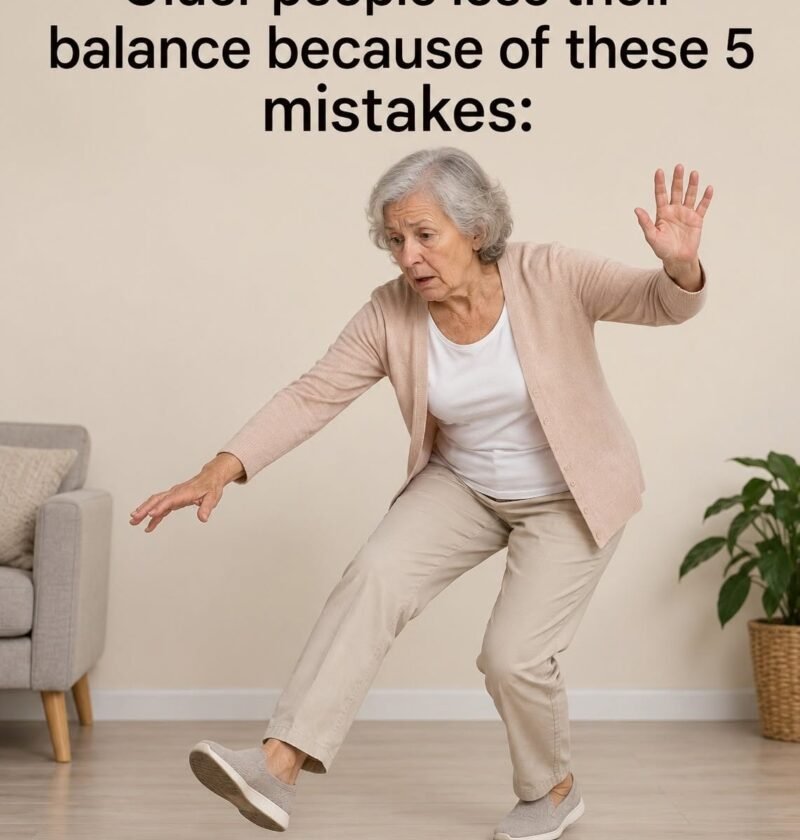
5 Common Mistakes That Can Affect Balance in Older Adults
Good balance is essential for staying independent and reducing the risk of falls. As we age, changes in muscle strength, vision, coordination, medications, and the inner ear can affect stability. Fortunately, some everyday habits can make balance problems worse—and many can be addressed.
1. Avoiding Physical Activity
Being afraid of falling may lead someone to become less active. Unfortunately, too little movement can cause muscles to weaken and balance to decline further.
What to do instead: Include appropriate strength, walking, and balance exercises in your routine. Start gradually and use support when necessary.
2. Wearing Unsafe Footwear
Loose slippers, smooth-soled shoes, high heels, or poorly fitting footwear can make it harder to maintain stability.
What to do instead: Choose comfortable, well-fitting shoes with secure fastenings and good traction.
3. Ignoring Vision Problems
Poor vision can make it difficult to identify obstacles, judge distances, or navigate stairs safely.
What to do instead: Have your vision checked regularly and keep glasses prescriptions up to date. Make sure stairways and walkways are adequately lit.
4. Taking Medications Without Reviewing Their Effects
Some medications can cause dizziness, drowsiness, or drops in blood pressure when standing. Taking multiple medications can increase the likelihood of side effects.
What to do instead: Ask your doctor or pharmacist to periodically review all your medications, including over-the-counter medicines and supplements. Don’t stop prescribed medication without medical advice.
5. Ignoring New Dizziness or Balance Changes
A new or worsening balance problem shouldn’t simply be dismissed as “getting older.” Inner-ear disorders, neurological conditions, low blood pressure, medication effects, vision problems, and other medical issues can contribute.
What to do instead: Tell a healthcare professional about persistent or unexplained changes in balance, particularly if you’ve recently fallen.
Keep Your Balance—and Your Independence
Staying active, addressing vision and hearing problems, wearing appropriate footwear, reviewing medications, and keeping the home free of trip hazards can all support safer movement.
If balance suddenly becomes severely impaired or is accompanied by facial drooping, weakness, numbness, difficulty speaking, severe headache, or sudden vision changes, seek emergency medical care immediately, as these can be signs of a stroke.