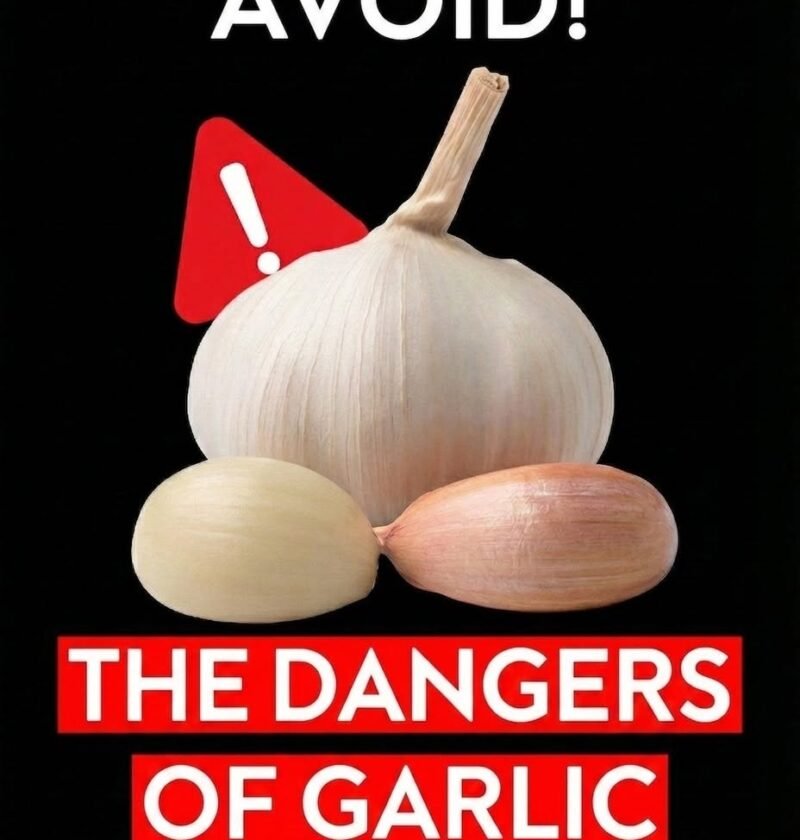
Garlic is generally safe and nutritious, but some popular claims about “dangerous garlic mistakes” are exaggerated. The main things to watch are amount, preparation, medications, and individual tolerance.
10 mistakes to avoid with garlic
Eating huge amounts of raw garlic — It can cause heartburn, stomach pain, nausea, diarrhea, and mouth irritation.
Assuming raw garlic is always better — Cooking changes some of its compounds, but cooked garlic can still be part of a healthy diet.
Swallowing whole cloves — Garlic is easier to digest and use when properly chopped, crushed, or cooked.
Ignoring food allergies or intolerance — Stop eating it if you repeatedly develop symptoms such as hives, swelling, or significant digestive problems.
Applying raw garlic directly to your skin — Concentrated raw garlic can cause significant irritation and even chemical-like burns.
Using garlic as a substitute for prescribed medicine — Evidence for garlic supplements lowering blood pressure or cholesterol is modest; it shouldn’t replace treatment.
Taking concentrated garlic supplements without checking medications — Garlic supplements may increase bleeding risk, particularly alongside anticoagulant or antiplatelet medicines.
Eating improperly stored garlic-in-oil mixtures — Homemade garlic stored in oil can create conditions favorable to botulism. Refrigeration and proper storage guidelines are important.
Expecting garlic to “detox” the body or cure infections — These claims aren’t supported by good clinical evidence.
Forgetting that garlic can affect breath and body odor — Sulfur compounds can remain noticeable for hours after eating it.
For most people, ordinary amounts of garlic used in food are perfectly reasonable. If you’re taking blood thinners, have a bleeding disorder, or are considering high-dose garlic supplements, check with your healthcare professional first.