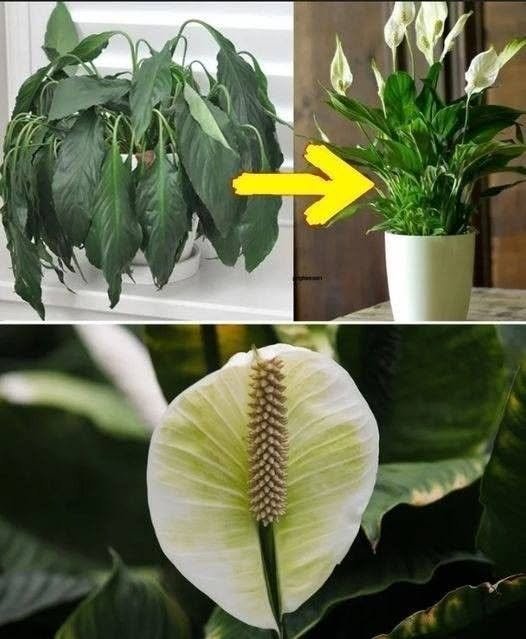
Viral gardening hacks love to tease a miraculous kitchen ingredient that you can just toss straight into a potted plant to make it instantly burst into vibrant blooms. While dumping a spoonful of coffee grounds, crushed eggshells, or cinnamon directly onto your soil is a popular DIY trend, real botany and plant care are rarely that simple.
What the “Secret Kitchen Recipes” Usually Are
Most viral plant-saving recipes rely on organic kitchen waste, such as:
-
Used Coffee Grounds: Promoted as a nitrogen boost (though they are actually quite acidic and can pack down the soil, blocking oxygen).
-
Crushed Eggshells: Touted as a calcium cure (though raw eggshells take months or years to break down enough for roots to absorb the minerals).
-
Banana Peel “Tea”: Soaking peels in water to release potassium.
The Catch With Dumping Food Directly Into Pots
While these kitchen scraps contain genuine nutrients, adding them directly to indoor plant pots without proper composting or processing can backfire:
-
Mold and Pests: Unprocessed organic matter rotting in damp indoor potting soil creates a breeding ground for fungus gnats, mold, and fruit flies.
-
Nutrient Lockout: Raw food items need soil microbes to break them down into forms plants can actually use. In a small indoor pot, this process can upset the soil’s balance and harm delicate roots.
-
Wrong Ratio for Blooming: Flowers don’t just need random food scraps—they require a balanced ratio of nitrogen, phosphorus, and potassium (NPK). Phosphorus is specifically what drives heavy blooming, which a random spoonful of coffee grounds or eggshells won’t provide in the right balance.
What Actually Makes a Houseplant Bloom Again
If your indoor plant has stopped flowering and looks a bit sad, it usually needs adjustments to its environment rather than a magic kitchen powder:
-
More Sunlight: Most flowering houseplants need bright, indirect (or even direct) light to trigger the energy required for buds. A dim corner will keep a plant alive, but it won’t let it bloom.
-
Balanced Liquid Fertilizer: During the active growing season (spring and summer), using a diluted, water-soluble houseplant fertilizer provides precise, readily available nutrients.
-
Proper Watering and Drainage: Overwatering suffocates roots, while underwatering starves them. Ensuring your pot has a drainage hole is essential for a healthy root system.
Are you trying to nurse a specific flowering houseplant back to health, or wondering how to safely feed your indoor green collection?