Viral health blogs and wellness influencers love to use sensational, 20-minute quick-fix headlines like “Suffering from Poor Circulation? Here’s How to Fix It in Just 20 Minutes!” to promise instant, miraculous transformations for cold hands, swollen ankles, or sluggish blood flow.
While you can certainly stimulate blood flow and provide immediate temporary relief to your muscles and extremities in a short amount of time, true, chronic circulatory issues cannot be “fixed” in a single 20-minute window. Poor circulation is almost always a symptom of an underlying medical condition—such as peripheral artery disease (PAD), venous insufficiency, diabetes, or high blood pressure—rather than a standalone disease that a quick routine can permanently cure.
However, a 20-minute routine can be genuinely effective at waking up stagnant blood flow, reducing fluid pooling, and making your legs and feet feel energized. Here is what science says about boosting circulation, what a meaningful 20-minute movement block can achieve, and when poor circulation requires a medical evaluation.
What a 20-Minute Routine Can Actually Do
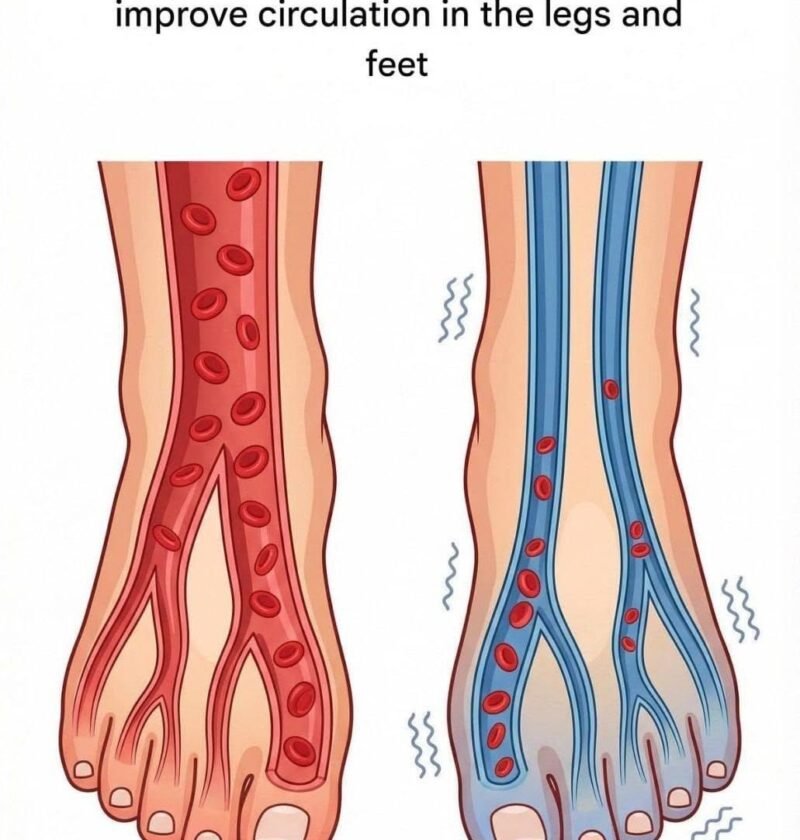
When you sit at a desk or lounge on the couch for hours, gravity causes blood and fluid to pool in your lower extremities, while your skeletal muscles—which act as a natural “pump” to push blood back up toward your heart—remain inactive.
A targeted 20-minute movement and recovery session helps by:
-
Activating the Muscle Pump: Engaging your calf and thigh muscles compresses deep veins, actively forcing venous blood and lymphatic fluid back upward against gravity.
-
Triggering Vasodilation: Gentle aerobic movement causes blood vessels to release nitric oxide, a compound that relaxes and widens (dilates) blood vessels, temporarily lowering vascular resistance and increasing blood flow to your skin and muscles.
-
Relieving Stiffness and Swelling: Movement helps clear out metabolic waste products and reduces mild fluid retention in the ankles and feet.
A Science-Backed 20-Minute Circulation Routine
If you are feeling sluggish, cold, or heavy-legged, here is how you can spend 20 minutes effectively stimulating blood flow:
-
Minutes 1–5: Gentle Aerobic Warm-Up (Brisk Walking or Marching in Place)
-
Why: Gets your heart rate up slightly and immediately increases systemic blood pumping. If mobility is limited, seated marching or arm circles work wonderfully.
-
-
Minutes 6–15: Dynamic Lower-Body Movement & Calf Raises
-
Why: Perform 3 sets of 15–20 seated or standing calf raises, ankle rolls, and toe taps. The calf muscle is often called the “second heart” because its contraction is the primary mechanical force driving blood out of your lower legs.
-
-
Minutes 16–20: Elevation and Reset
-
Why: Lie down on your back and prop your legs up on a stack of pillows or against a wall at a 45-degree angle for 3 to 5 minutes. This allows gravity to effortlessly drain pooled venous blood and fluid out of your lower legs back toward your core.
-
Why Quick Fixes Fall Short for Chronic Issues
If your poor circulation is chronic—meaning your hands and feet are always ice-cold, or your legs consistently ache, swell, or cramp—stretching or walking for 20 minutes will only provide temporary relief. Chronic poor circulation is typically driven by:
-
Atherosclerosis: Plaque buildup narrowing the arteries, restricting blood flow to the limbs (common in PAD).
-
Venous Insufficiency: Damaged or weakened one-way valves in the leg veins that allow blood to leak backward instead of flowing efficiently back to the heart.
-
Systemic Factors: Conditions like uncontrolled diabetes or chronic high blood pressure that damage microvascular networks over time.
Red Flags: When to See a Doctor
While minor circulation sluggishness from sitting too long is normal, you should schedule a medical evaluation if you experience persistent or asymmetrical symptoms, such as:
-
Claudication: Sharp, cramping pain in your calves, thighs, or buttocks that consistently triggers when you walk a certain distance and disappears when you rest.
-
Non-Healing Sores: Sores, ulcers, or cuts on your feet or toes that take an unusually long time to heal.
-
Asymmetrical Temperature or Color: If one leg or foot is noticeably colder, paler, or a different color than the other.
-
Sudden Numbness or Weakness: Sudden coldness or loss of feeling in a limb requires prompt medical assessment.
For daily stiffness and sedentary fatigue, a 20-minute movement break is a fantastic, healthy habit—just view it as daily maintenance rather than a magical cure!