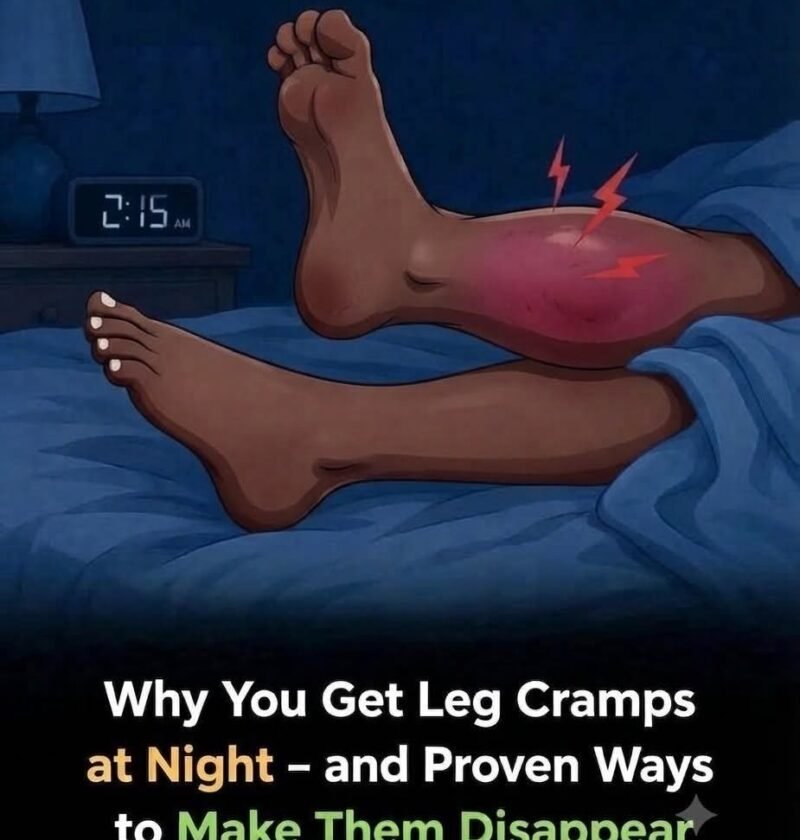
Why Nighttime Cramps Strike
-
Pointed toes and tight bedding: Sleeping on your stomach or back with toes pointed downward (plantarflexion) or heavy sheets pressing down keeps the calf muscle in a shortened position, making a sudden spasm much more likely.
-
Daytime strain and fatigue: Long hours standing, walking on hard surfaces, or unaccustomed exercise leaves muscle fibers fatigued and more excitable once you lie down to rest.
-
Fluid shifts, medications, and underlying health: Dehydration, sweating, pregnancy, certain medications (such as diuretics, statins, or blood-pressure/respiratory drugs), reduced leg blood flow (peripheral artery disease), or nerve irritation (peripheral neuropathy or lumbar nerve compression) can also contribute—especially when cramps become frequent.
How to Ease a Sudden Cramp Right Away
-
Straighten the leg and flex your ankle: Gently straighten your knee and pull your toes upward toward your shin (dorsiflexion) until you feel a steady, mild stretch in the back of the calf. Hold for 15–30 seconds without jerking.
-
Stand and put gentle weight on the foot: If sitting in bed doesn’t release the knot, carefully stand up and place weight on the cramped leg while taking a few slow steps to help the muscle lengthen and blood flow circulate.
-
Massage lightly and apply warmth: Gently rub or knead the tight muscle toward the knee once the peak spasm subsides, or use a warm cloth, warm shower, or low-heat pad to relax lingering stiffness.
-
Stay calm and keep lighting low: Breathe slowly—pain and startling awake trigger tension that makes muscles clench harder—and avoid bright screens so it is easier to drift back to sleep.
Everyday Prevention vs. When to Get Checked
| Focus Area | Everyday Prevention | When to See a Doctor |
| Bedtime & Muscle Care | Do a light calf stretch before bed, keep blankets loose over your feet, and stay hydrated during the day | Cramps wake you up frequently, last long after stretching, or leave lingering muscle weakness |
| Leg Appearance & Sensation | Notice if cramps follow heavy leg days or long periods sitting/standing | One calf becomes swollen, red, warm, or tender, or you feel numbness, tingling, or burning |
| Walking & Medications | Review regular prescriptions or supplements with your doctor or pharmacist | Calf pain or cramping flares up predictably while walking and eases with rest |