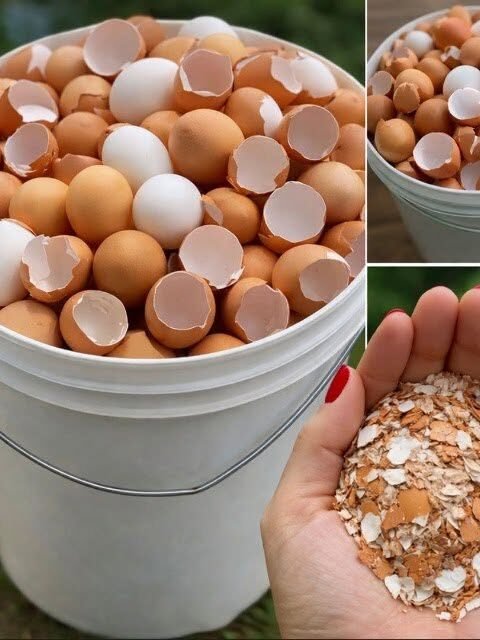
If you’re referring to the viral “boil eggshells and say goodbye to…” gardening trick, the missing claim is often that eggshell water will make plants grow faster, bloom more, or eliminate pests. There’s a little science behind eggshells, but social-media versions usually exaggerate the effect.
🥚 What boiled eggshells actually provide
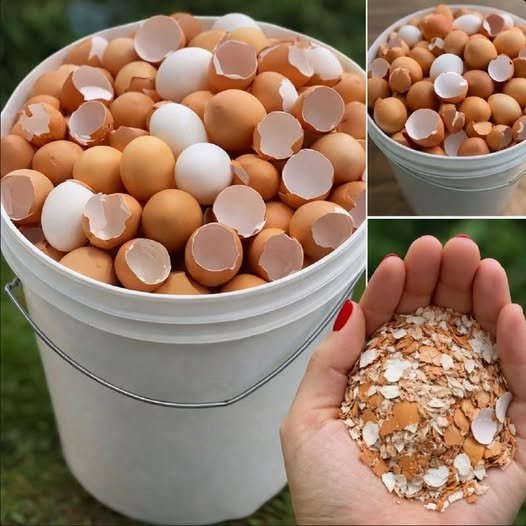
Eggshells are mostly calcium carbonate. When crushed finely and incorporated into soil, they can eventually contribute some calcium.
However, simply boiling eggshells and pouring the water onto a plant isn’t a powerful fertilizer. Calcium carbonate is only sparingly soluble in water, so relatively little calcium enters ordinary “eggshell water.”
A better way to reuse eggshells
- Rinse the shells to remove egg residue.
- Dry them thoroughly.
- Crush or grind them into a very fine powder.
- Mix a modest amount into appropriate garden soil or compost.
Even then, eggshells aren’t a complete fertilizer—they don’t provide the nitrogen, phosphorus, potassium, and other nutrients plants need.
What about pests?
Claims that eggshells reliably kill slugs, snails, ants, or other pests are also overstated. Sharp eggshell fragments aren’t a dependable pest-control barrier, particularly once they become wet.
If a plant is yellowing, failing to flower, or growing poorly, the cause is more likely to involve light, watering, drainage, nutrients, temperature, or pests than a lack of eggshell water.
If you tell me what the headline says you can “say goodbye to”—for example, pests, yellow leaves, or poor flowering—I can explain whether the eggshell trick actually works.