Sebaceous Cysts: Causes and What You Can Safely Do at Home
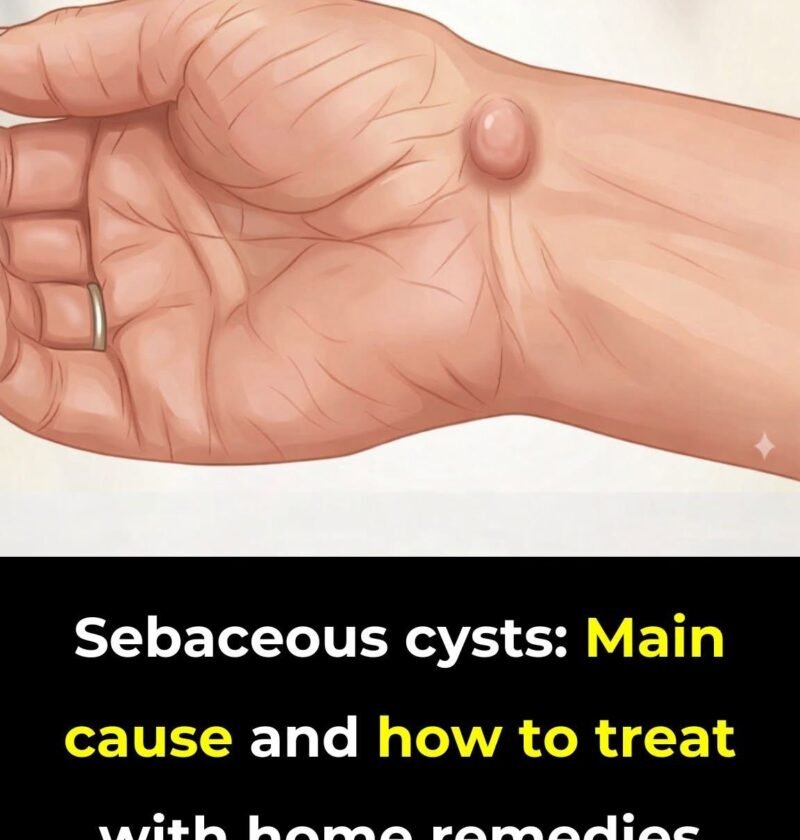
What people commonly call a “sebaceous cyst” is often an epidermoid cyst—a benign, slow-growing lump beneath the skin filled with keratin. True sebaceous cysts are less common than epidermoid cysts.
Common causes
They can develop when skin cells or keratin become trapped beneath the skin. They may be associated with:
- Blocked or damaged hair follicles
- Previous skin injury
- Acne or other skin conditions
- Certain inherited conditions
- Sometimes, no obvious cause at all
They commonly occur on the face, neck, chest, back, or other areas of the body.
🏠 Can you treat one at home?
If a cyst is small and not painful, you can generally leave it alone and monitor it.
A warm, clean compress for 10–15 minutes several times a day may provide comfort if the area is mildly irritated, but it won’t reliably make the cyst disappear.
Don’t try to:
- Squeeze or pop it
- Pierce it with a needle
- Cut it open
- Apply harsh acids, essential oils, bleach, or other irritating substances
Trying to drain it yourself can cause infection, scarring, and recurrence.
How are cysts actually removed?
If a cyst is repeatedly inflamed, painful, infected, or bothersome, a healthcare professional can assess it. Complete surgical removal of the cyst and its capsule is the most reliable way to prevent it from returning. Simply draining its contents may provide temporary relief but can allow it to come back.
🚨 Get it checked if…
Seek medical advice if a lump is rapidly growing, painful, red, hot, draining pus, bleeding, or changing in appearance, or if you’re not sure that it’s actually a cyst.
Bottom line: Most epidermoid cysts are harmless, and there isn’t a proven home remedy that permanently dissolves them. Don’t squeeze or puncture them; professional assessment and removal are safest when treatment is needed.