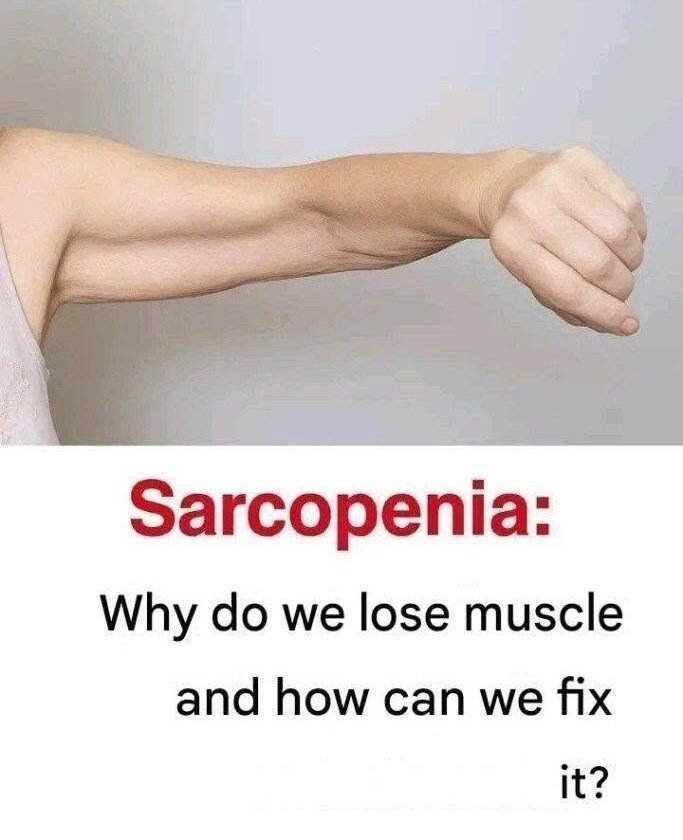
💪 Sarcopenia: Causes of Muscle Loss and Solutions
Sarcopenia is the age-related loss of muscle mass, strength, and physical function. It becomes more common with age, but significant muscle loss isn’t something you simply have to accept. With the right approach, muscle strength and function can often be improved.
Why does muscle loss happen?
1. 🧓 Aging
As we age, the body becomes less efficient at building and maintaining muscle. Hormonal changes and changes in muscle metabolism also play a role.
2. 🪑 Too little physical activity
Inactivity is one of the biggest contributors. Long periods of sitting or bed rest can accelerate muscle loss.
3. 🍗 Not enough protein or calories
Older adults may eat less because of reduced appetite, dental problems, difficulty preparing food, or other health issues. Insufficient protein makes maintaining muscle harder.
4. 🩺 Chronic illnesses
Conditions such as diabetes, heart disease, chronic lung disease, kidney disease, and inflammatory disorders can contribute to muscle loss.
5. 💊 Certain medications
Some medicines, particularly long-term corticosteroids, can contribute to muscle weakness or loss. Medication changes should always be discussed with a healthcare professional.
💪 What can help?
1. Strength training is the priority
Resistance exercises—such as squats, chair stands, resistance bands, or appropriately weighted exercises—are among the most effective ways to maintain and build muscle.
Aim for regular sessions rather than trying to do everything at once.
2. Eat enough protein
Include protein-rich foods such as:
- Eggs
- Fish and poultry
- Milk and yogurt
- Beans and lentils
- Tofu and other soy foods
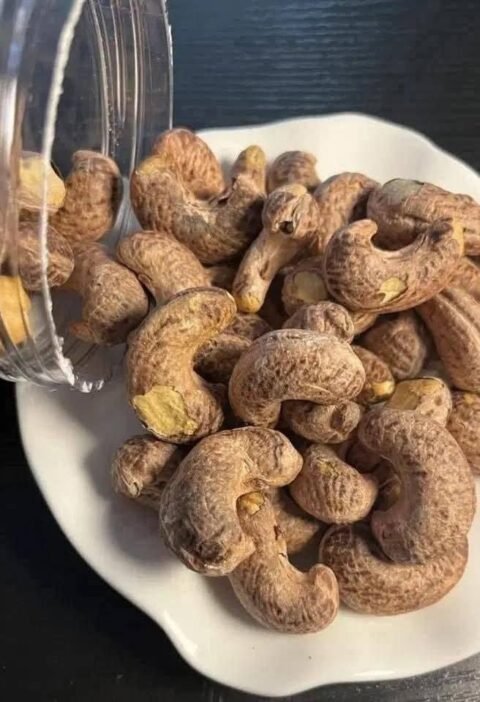
- Nuts and seeds
Rather than relying on one enormous protein-heavy meal, distribute protein throughout the day.
3. Don’t neglect vitamin D and other nutrients
Vitamin D is important for normal muscle and bone function, but taking high-dose supplements isn’t a substitute for exercise and adequate nutrition. Supplementation is most useful when a deficiency or increased need has been identified.
4. Stay active throughout the day
Walking, climbing stairs when safe, gardening, and other daily activities complement resistance training and help preserve mobility.
5. Address underlying health problems
Unintentional weight loss, persistent fatigue, weakness, or rapidly declining physical ability should be medically evaluated. Treating an underlying illness can be an important part of preventing further muscle loss.
🚨 Don’t confuse muscle loss with simply “getting older”
Difficulty getting out of a chair, climbing stairs, carrying groceries, or walking at your usual pace can be more meaningful than body weight alone.
If you’re experiencing progressive weakness, repeated falls, unexplained weight loss, or a major decline in mobility, talk with a healthcare professional. They can assess strength and physical function and determine whether further testing is appropriate.
The key message
Strength training + adequate protein + regular movement + good overall nutrition form the foundation for protecting muscle as you age.
You don’t need a miracle supplement. Consistent resistance exercise and adequate nutrition are far more important.