Experiencing pain on one side of the body can be unsettling, largely because the left side houses critical organs—most notably the heart. While many causes of left-sided pain are musculoskeletal or related to minor issues like indigestion, certain patterns require immediate medical attention.
Potential Causes by Region
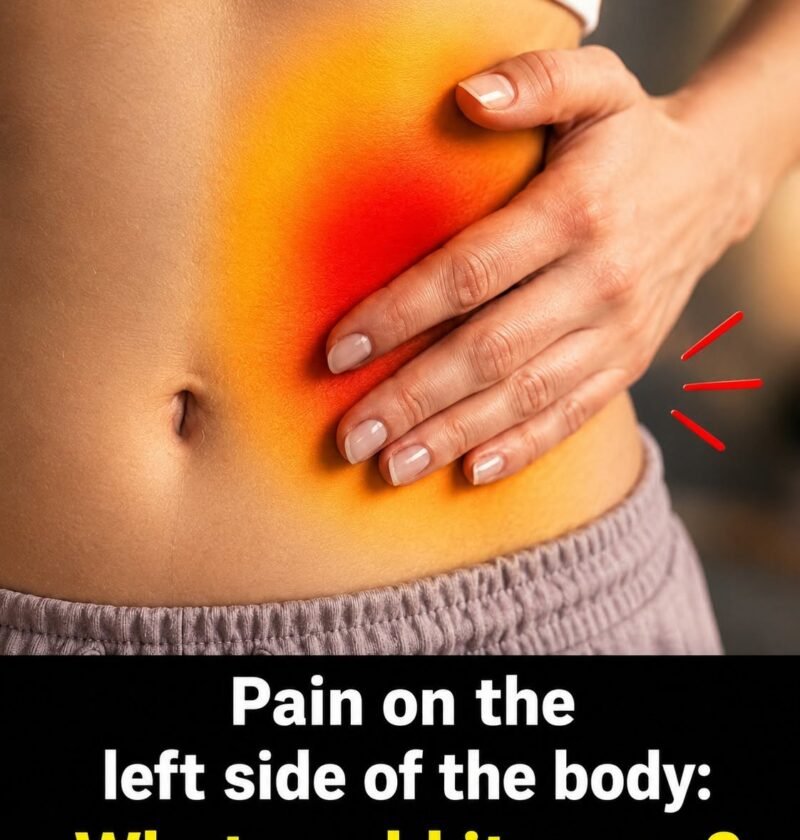
Left-sided pain can stem from various organ systems depending on where it occurs:
1. Upper Body and Chest
-
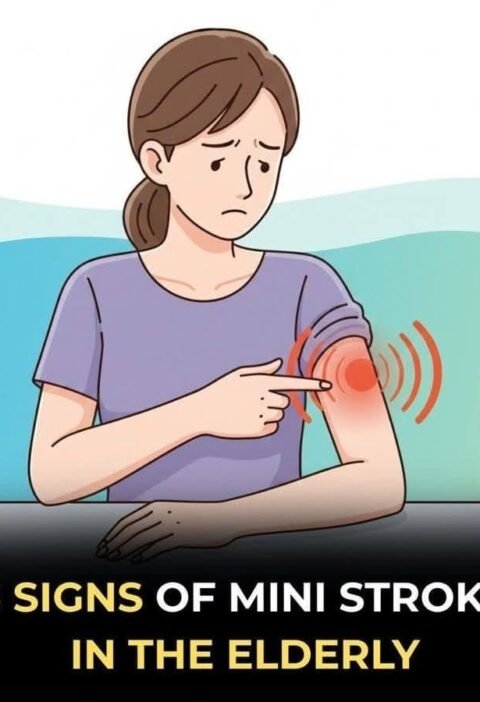
Cardiac Issues: Pain, pressure, tightness, or a squeezing sensation in the center or left side of the chest that may radiate to the left arm, jaw, neck, or back can indicate a heart issue, such as angina or a heart attack.
-
Gastric and Digestive Causes: Conditions like acid reflux (GERD), gastritis, or a stomach ulcer can cause a burning sensation (heartburn) or sharp pain in the upper left abdomen or lower chest.
-
Splenic Pain: The spleen sits in the upper left abdomen. Enlargement or injury to the spleen can cause localized pain, sometimes felt radiating up to the left shoulder (known as Kehr’s sign).
-
Pulmonary Issues: Conditions affecting the left lung or lining, such as pneumonia, pleurisy, or a pulmonary embolism, can cause sharp chest pain that worsens when breathing deeply or coughing.
2. Lower Abdomen and Pelvis
-
Diverticulitis: Inflammation or infection of small pouches (diverticula) in the colon most commonly occurs in the lower left side of the abdomen, often accompanied by cramping, fever, or changes in bowel habits.
-
Kidney Issues: A left kidney infection (pyelonephritis) or a kidney stone passing through the left urinary tract can cause sharp, severe pain in the left flank, back, or side, often radiating toward the groin.
-
Gynecological Causes: In individuals with female reproductive organs, conditions affecting the left ovary—such as an ovarian cyst or ectopic pregnancy—can manifest as lower left pelvic pain.
3. Musculoskeletal Causes
-
Strains and Sprains: Pulled muscles in the chest wall, intercostal muscle strains (muscles between the ribs), or back strains from lifting or twisting can cause localized left-sided pain that worsens with specific movements or deep breaths.
-
Costochondritis: Inflammation of the cartilage that connects your ribs to your breastbone can cause tenderness and sharp pain on either side of the chest wall.
When to Seek Emergency Medical Attention
Certain “red flag” symptoms associated with left-sided pain require calling emergency services (such as 911) or going to the nearest emergency room immediately:
-
Chest Pain Symptoms: Any new, severe, crushing, or persistent pressure, tightness, or pain in the chest, especially if it radiates to the left arm, jaw, neck, or upper back.
-
Associated Cardiac Signs: Chest pain accompanied by sudden shortness of breath, cold sweats, dizziness, lightheadedness, or sudden nausea/vomiting.
-
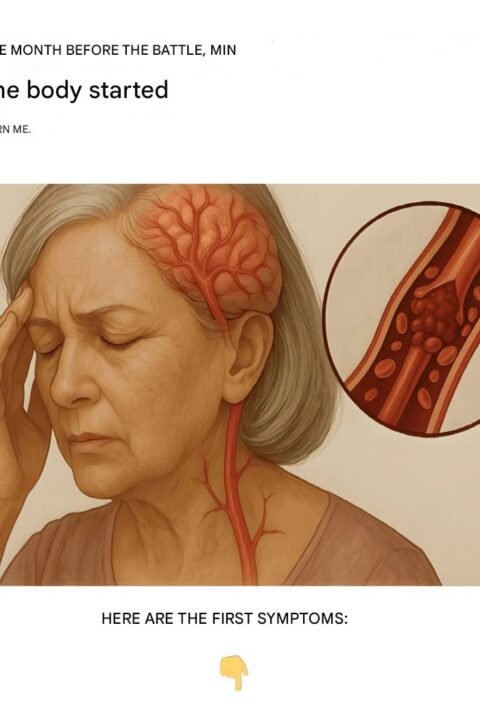
Neurological Signs: Left-sided body pain accompanied by sudden weakness, numbness (especially if it affects one entire side of the face or body), facial drooping, confusion, or difficulty speaking—as these can be signs of a stroke.
-
Severe Abdominal or Flank Pain: Excruciating, unbearable abdominal pain, a rigid or hard abdomen, or pain accompanied by high fever, persistent vomiting, or fainting.