One Vitamin That May Support Blood Vessel Health and Circulation
A common vitamin associated with blood vessel function and circulation is vitamin B3 (niacin). In prescription doses, niacin can cause vasodilation—the widening of blood vessels—which may lead to a temporary warm, flushed feeling and increased blood flow near the skin.
However, it is important to understand that:
- Niacin supplements are not generally recommended as a way to “open” blood vessels or prevent heart disease on your own.
- High doses of niacin can cause side effects, including flushing, itching, stomach upset, liver injury, and changes in blood sugar or uric acid levels.
- Prescription-strength niacin should only be used under medical supervision.
Other Nutrients Linked to Circulation Support
Good circulation depends on overall cardiovascular health. Nutrients involved in healthy blood vessels include:
- Vitamin B12 and folate: Help maintain healthy homocysteine levels; deficiencies can affect blood vessel health.
- Vitamin C: Supports collagen production, which helps maintain blood vessel structure.
- Vitamin D: Adequate levels are important for overall health, though supplements do not automatically improve circulation unless a deficiency exists.
Lifestyle Factors That Have a Stronger Effect on Circulation
For most people, these habits have a much greater impact than any single vitamin:
- Regular walking or exercise
- Managing blood pressure and cholesterol
- Not smoking
- Maintaining a healthy weight
- Eating a diet rich in vegetables, fruits, whole grains, legumes, nuts, and fish
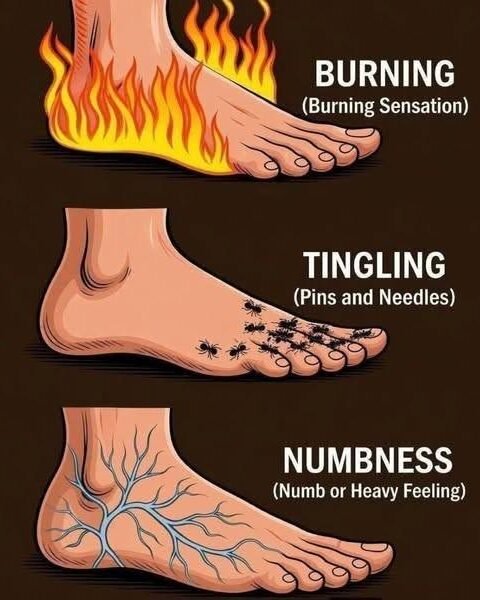
If someone has cold hands/feet, leg pain while walking, swelling, numbness, chest pain, or sudden circulation changes, it is worth discussing with a healthcare professional, as these can sometimes signal an underlying vascular problem.