Yes—this is real research, but headlines can make it sound further along than it is.
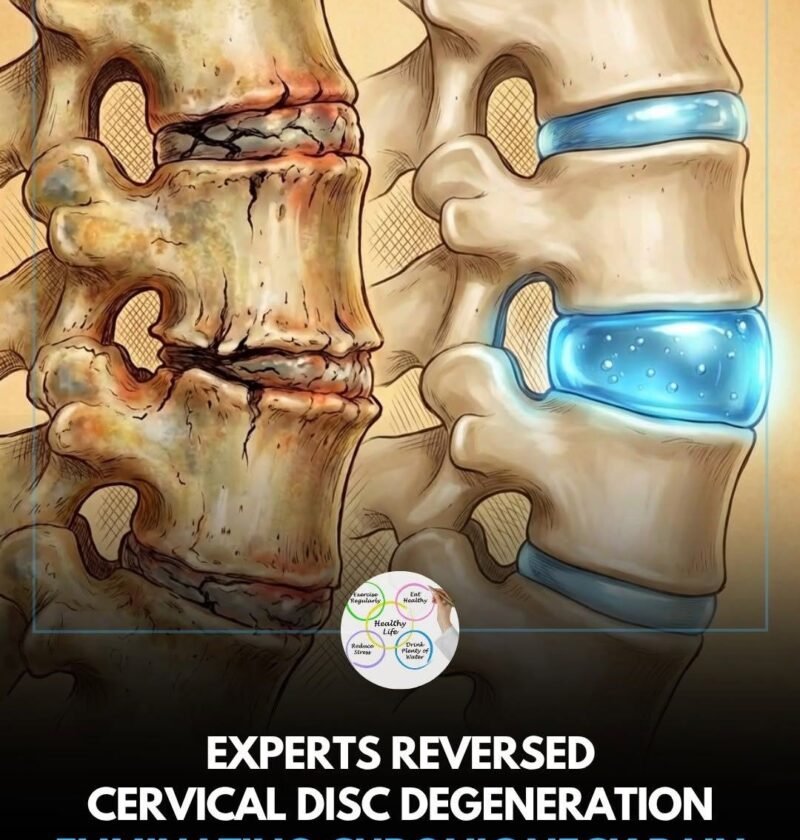
Researchers are developing injectable hydrogels that are placed directly into damaged or degenerated intervertebral discs. The goal is to provide structural support and potentially create an environment that encourages the disc’s own tissue to recover. A 2024 study using naturally degenerated human discs outside the body found that one experimental hydrogel improved disc height, mechanical properties, and markers associated with tissue regeneration.
P
PubMed
+1
More importantly, this field has now reached human clinical trials. A 2026 randomized, double-blind trial involving 49 people with chronic discogenic low-back pain found that hydrogel implantation was associated with some improvements, although the primary pain outcome did not reach statistical significance between groups. The researchers concluded that larger trials are needed.
P
PubMed
So the accurate takeaway is:
“Injectable gels may eventually offer a minimally invasive way to support or repair damaged spinal discs, but they are still experimental and are not yet a proven replacement for established treatments.”
And “restore damaged spinal discs” should be interpreted cautiously—the research is promising, but it does not yet mean that doctors can routinely regenerate worn-out discs with an injection.
P
Sources