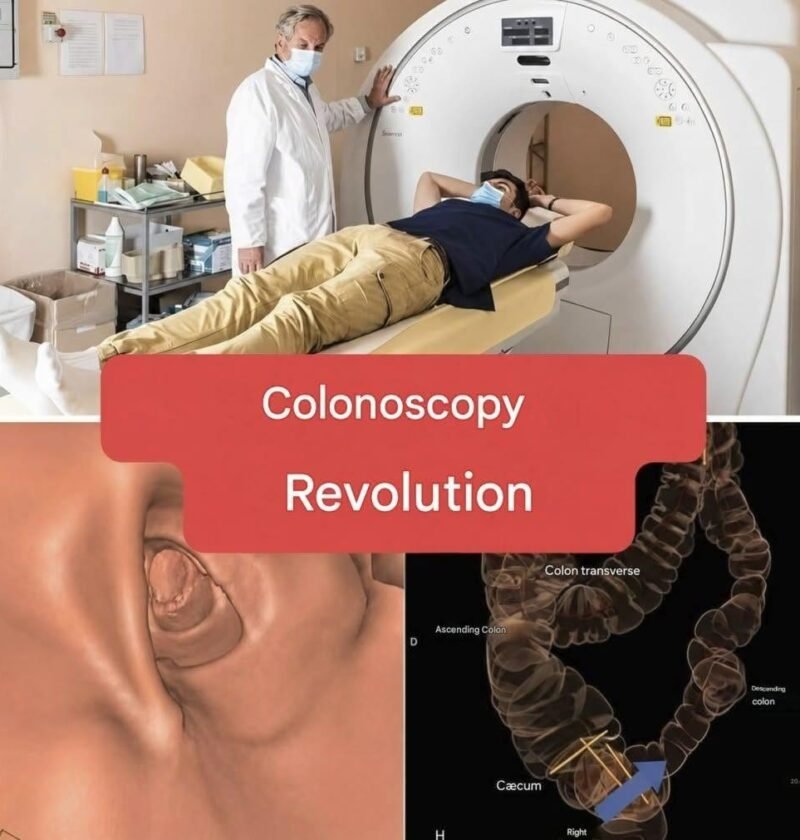
What Actually Changed
-
Stool-Based Tests: At-home tests check stool for hidden blood or molecular markers. Fecal immunochemical tests (FIT) are typically done every year, while multi-target stool DNA or RNA tests are generally repeated every 3 years.
-
Blood-Based Screening Tests: Newer blood tests (liquid biopsy approaches) look for tumor-related signals in a standard blood draw. They are convenient, but guidelines note lower sensitivity for precancerous polyps and early-stage cancers than stool tests or colonoscopy.
-
CT Colonography (Virtual Colonoscopy): Uses low-dose CT imaging every 5 years to create 3D views of the colon, though it still involves bowel prep and cannot remove polyps during the scan.
Why Colonoscopy Still Matters
-
Prevention, not just detection: A colonoscopy can find and remove precancerous polyps during the same procedure, stopping some cancers before they develop.
-
Positive non-invasive tests need follow-up: A positive stool or blood screening test requires a follow-up colonoscopy to confirm findings and take tissue samples or remove growths.
-
Higher-risk groups: People with a strong family history, prior polyps, inflammatory bowel disease, or certain inherited syndromes generally still rely on direct colonoscopy schedules.