If you’re referring to a new, less-invasive way to examine the colon, there are already alternatives to conventional colonoscopy—but the claim that colonoscopy has been completely replaced is misleading.
What are the alternatives?
-
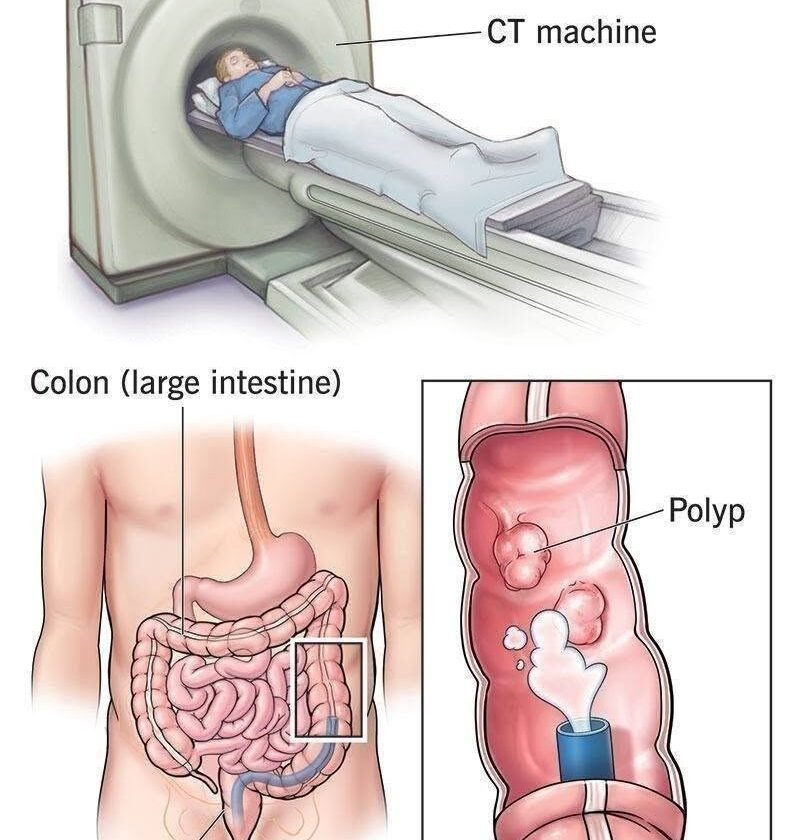
CT colonography (“virtual colonoscopy”) uses CT imaging to look for polyps and other abnormalities. It doesn’t require a camera to travel through the entire colon, but bowel preparation is still generally required.
-
Stool-based tests, such as FIT, look for hidden blood associated with colorectal cancer and are non-invasive. They are screening tests rather than a direct examination of the colon.
-
Stool DNA tests combine detection of blood with certain molecular changes associated with colorectal cancer.
-
Colon capsule endoscopy involves swallowing a small camera capsule that passes through the digestive tract and captures images. It is less invasive than conventional colonoscopy, but availability and clinical use vary, and a conventional colonoscopy may still be needed if an abnormality is found.
Why colonoscopy is still important
Conventional colonoscopy allows a specialist to directly examine the colon and remove suspicious polyps during the same procedure. Many non-invasive tests don’t provide that capability.
So if the headline you’re seeing says a new method means colonoscopy will “no longer be invasive,” the important question is which technology it is referring to. If you share part 2 of the post or the name of the new method, I can explain what it actually is and whether it has replaced conventional colonoscopy.